
When it comes to product success, packaging is more than just a protective layer—it’s a powerful marketing tool. The right packaging materials can influence customer perception, protect your product during shipping, and even reflect your brand values. With so many options available, choosing the best material can seem overwhelming. This guide will walk you through key considerations and popular materials to help you make informed choices for your products.
Understanding Your Product Needs
The first step in selecting packaging materials is understanding the specific needs of your product. Consider factors like fragility, weight, perishability, and size. For delicate items like glassware or electronics, you’ll need cushioning materials like bubble wrap or foam inserts. Food products, on the other hand, often require materials that maintain freshness, such as vacuum-sealed plastics or paper-based wraps. By identifying your product’s unique requirements, you can narrow down packaging options and ensure both safety and quality.
Common Packaging Materials
Cardboard and Paperboard
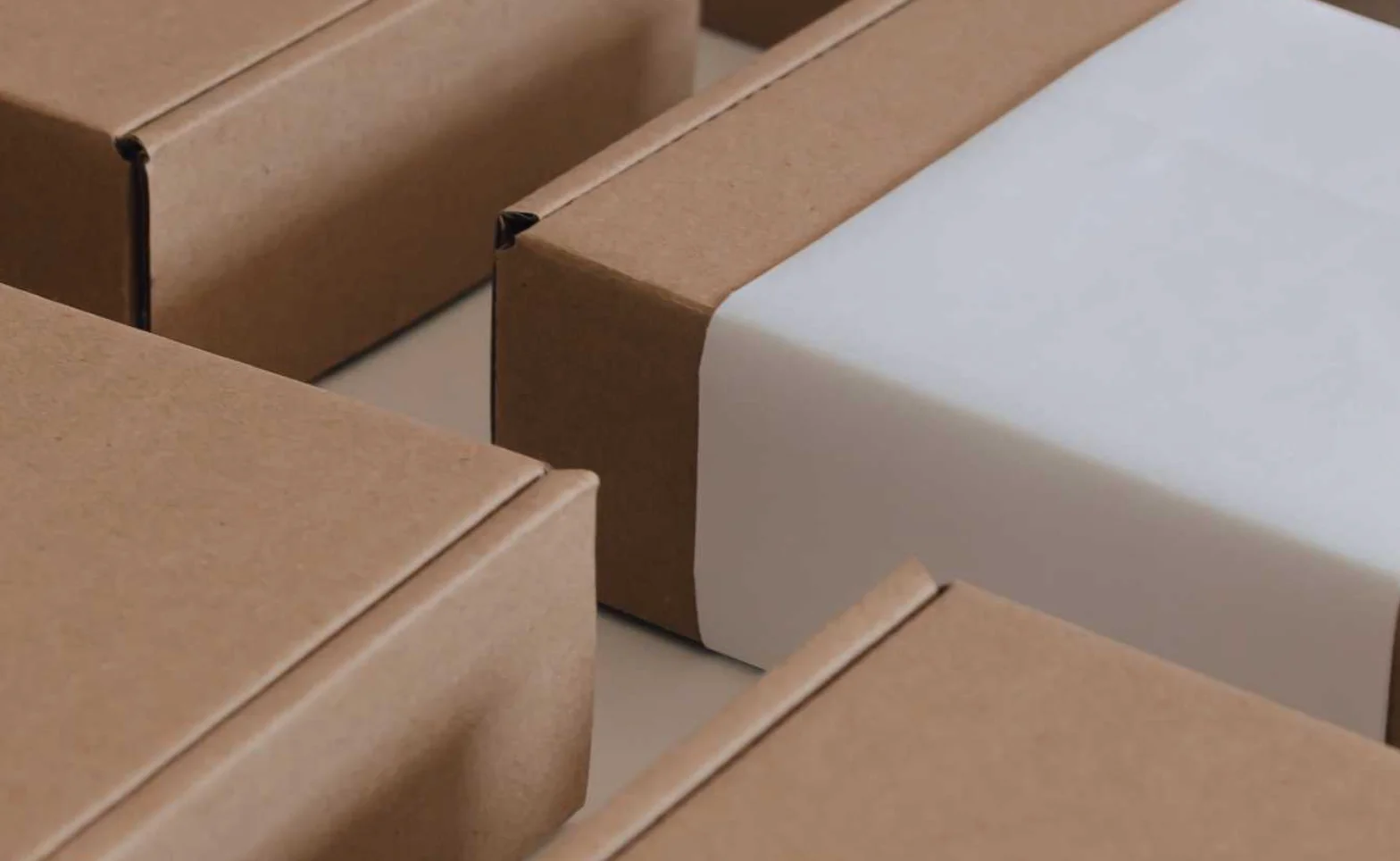
Cardboard remains one of the most widely used packaging materials. It’s versatile, lightweight, and recyclable. Corrugated cardboard, in particular, is excellent for shipping as it provides strength and protection. Paperboard, often used for retail packaging, is ideal for lighter items like cosmetics or small electronics. Custom printing on cardboard or paperboard can also enhance your brand’s visual appeal.
Plastic
Plastic is highly versatile and comes in forms like PET, HDPE, and biodegradable options. It’s durable, moisture-resistant, and suitable for a wide range of products, including liquids and perishable goods. While conventional plastics have environmental concerns, many companies now use recycled or compostable plastics to reduce their carbon footprint.
Glass
Glass packaging adds a premium feel and is fully recyclable. It’s perfect for food, beverages, and luxury products. However, glass is heavy and breakable, so protective inserts or outer packaging are essential to prevent damage during transport.
Metal
Aluminum and tin are common metal packaging options. Aluminum cans, tins, and jars offer durability and a sleek appearance, often used for beverages, snacks, or beauty products. Metals are recyclable and can be reused, making them an eco-friendly option when managed responsibly.
Biodegradable and Compostable Materials
Sustainability has become a priority for many brands. Materials like cornstarch-based plastics, bamboo, and molded pulp are biodegradable and compostable alternatives to conventional packaging. These eco-conscious options appeal to environmentally aware consumers and reduce landfill waste.
Specialty Packaging: Custom Molds
For products with unique shapes or delicate structures, custom molds can provide tailored protection. These molds ensure that each item fits perfectly, minimizing movement and potential damage. They are particularly useful for fragile items like electronics, glassware, or cosmetics. Custom molds also allow brands to create a premium unboxing experience that enhances customer satisfaction.
Factors to Consider When Choosing Packaging Materials
- Protection: Your packaging must prevent damage during handling, shipping, and storage.
- Cost: Balance quality with affordability to maintain profitability.
- Sustainability: Consider eco-friendly materials that resonate with environmentally conscious consumers.
- Branding: Packaging should reflect your brand’s identity through design, texture, and color.
- Regulations: Some industries, such as food and pharmaceuticals, have strict packaging regulations to ensure safety and compliance.
Final Thoughts
Selecting the right packaging material requires a careful balance of protection, cost, aesthetics, and sustainability. By understanding your product’s needs, evaluating the available materials, and considering options like custom molds, you can create packaging that safeguards your product while enhancing your brand’s image. In today’s competitive market, smart packaging choices aren’t just functional—they’re a key part of your product’s story.

Doris Pollard, a mesmerizing wordsmith and experienced blogger, crafts narratives that carry readers into unexplored realms. Infused with insightful perspectives and vibrant storytelling, Doris’s mastery of language captivates both hearts and minds, making an enduring impression on the literary landscape.