
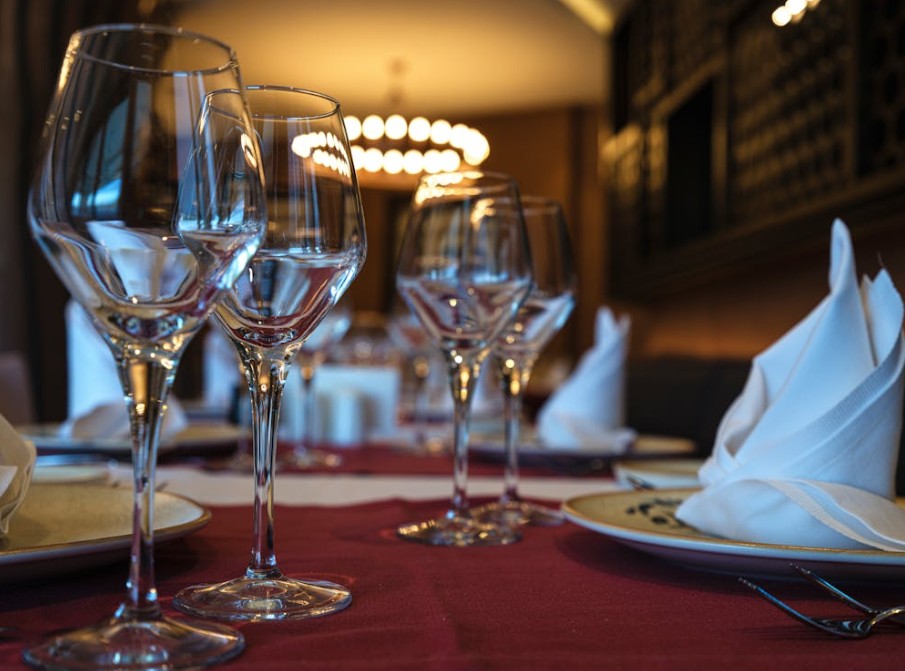
There’s a difference between a restaurant that looks good and one that actually cares about quality. At first glance, they can feel identical. Both might have stylish interiors, polished branding, even a queue outside. But give it ten minutes- sometimes less- and the truth starts to show.
Quality isn’t loud. It doesn’t shout from the menu or rely on trends. It sits quietly in the details: the way you’re greeted, how the food arrives, the rhythm of the room. You don’t always notice it straight away, but you feel it.
So how do you tell if a restaurant genuinely cares? Not just about getting you through the door, but about giving you a solid, memorable experience?
Let’s break it down.
It Begins With Intention
Before the food, before the drinks, before you’ve even taken your coat off- there’s a signal.
It’s the welcome.
Are you acknowledged quickly? Not rushed, not ignored- just seen. That small moment matters more than people think. Hospitality experts often say, “The guest experience starts before the first word is spoken.” You can feel whether a place is switched on or just going through the motions.
Take somewhere like Madam Lola’s. It’s not your typical restaurant setting- more of an immersive cabaret dining experience layered with live performance, atmosphere, and theatrical flair. But beneath all that spectacle, the same rules apply.
What stands out isn’t just the aerial acts or curated shows. It’s the coordination. The way staff guide guests without breaking the flow. The sense that every detail- from seating to service timing- has been thought through.
That’s intention. And intention usually points to quality.
The Menu Speaks- Quietly
Menus are underrated. People skim them. They shouldn’t.
A restaurant that cares about quality uses its menu with purpose. You’ll notice it straight away if you slow down.
Descriptions feel clear, not cluttered. Ingredients are specific. There’s no need for buzzwords or filler. And importantly, the menu knows what it is.
Too many options? That’s often a red flag. It suggests a kitchen trying to cover everything instead of focusing on what it does well.
Interestingly, chefs have been saying this for years. One restaurateur once put it like this: “A short menu is a confident menu.” It shows restraint. It shows control.
And control usually leads to consistency- which is where quality lives.
Staff Who Actually Know the Food
Here’s a quick test. Ask a question about a dish.
Not a complicated one. Just something simple- how it’s cooked, what it pairs with, whether it’s spicy.
Now watch the response.
Do they answer naturally? Or do they hesitate, glance at the menu, or give a vague reply?
When a restaurant cares, staff training goes beyond basics. It’s not just about carrying plates. It’s about understanding what’s on them.
And it doesn’t have to feel rehearsed. In fact, it’s better when it doesn’t.
A server who says, “I had that earlier- it’s rich, but really good if you’re hungry,” tells you more than a scripted description ever could.
Timing: The Invisible Skill
Timing is one of those things you only notice when it goes wrong.
Food arrives too quickly- you feel rushed.
It takes too long- you feel forgotten.
But when it’s right? You don’t think about it at all.
That’s the goal.
Restaurants that care about quality pay attention to pacing. They read the table. They know when to step in and when to step back.
There’s a quote often shared in hospitality circles: “Service is choreography.” It sounds dramatic, but it’s accurate. Every movement, every pause, every interaction- it all fits together.
And when it works, your experience feels smooth. Effortless, even.
Consistency Over Time
Anyone can have a good night. That’s not the benchmark.
The real question is: can they do it again?
And again?
Consistency is where quality becomes visible. It’s what turns first-time visitors into regulars.
Dining experiences at places like The Countess of Evesham– a dining cruise known for its relaxed river setting, freshly prepared meals, and seasonal ingredients- make you start to notice this.
It’s not just the scenic views or the novelty of dining on water. It’s the steady delivery. The way courses arrive as expected. The balance between atmosphere and service. The sense that the team knows exactly what they’re doing, even in a moving environment.
That kind of consistency doesn’t happen by chance. It’s built through systems, training, and attention to detail.
The Little Things Add Up
Now let’s zoom in.
Cutlery- clean, polished, placed properly.
Glassware- clear, no streaks.
Tables- reset quickly, but not rushed.
Individually, these details seem minor. Together, they paint a picture.
A restaurant that cares doesn’t overlook them. Not because customers will complain, but because standards matter internally.
There’s a saying in the industry: “How you do small things is how you do everything.” It’s simple. It’s also true.
Food That Feels Considered
Let’s talk about the plate.
Not presentation for Instagram. Not gimmicks. Just thoughtful food.
Does the dish make sense? Are the flavours balanced? Is the temperature right?
A hot dish should arrive hot. That sounds obvious, but it’s not always guaranteed.
At quality-focused restaurants, you’ll notice a level of care in how dishes are assembled and served. It doesn’t have to be fancy. It just has to be right.
And when it is, you can tell.
Atmosphere That Matches the Experience
Atmosphere isn’t just décor. It’s how a place feels.
Is the music too loud? Too quiet? Does it fit the space? Are tables spaced well, or do you feel like you’re part of someone else’s conversation?
Since the pandemic years, diners have become more aware of this. People want comfort. Space. A sense of ease.
Restaurants that care adjust accordingly. They think about sound, lighting, layout- all the invisible factors that shape your experience.
Genuine Hospitality (You Can’t Fake It for Long)
Here’s where things get real.
You can train staff. You can design beautiful spaces. You can write a perfect menu.
But genuine hospitality? That’s harder to fake.
It shows in small, unscripted moments.
A quick check-in at the right time.
A small adjustment made without being asked.
A conversation that feels natural, not forced.
There’s a story about a couple celebrating quietly at a restaurant. No big announcement. Just a low-key dinner. At the end, a simple dessert arrived with a subtle nod to the occasion- no singing, no fuss.
That’s care.
Not performative. Not over the top. Just thoughtful.
When a Restaurant Knows What It Is
Some places try to be everything. It rarely works.
The best restaurants know their identity- and stick to it.
By the time you get to somewhere like Violas in Covent Garden, this becomes clear. It’s not trying to compete with high-energy venues or experimental kitchens. Instead, it leans into what it does well: relaxed dining, beautifully presented brunch, intimate dinners, and a calm, welcoming atmosphere.
The quality signals here are different.
It’s the consistency of the coffee. The attention to detail in plating. The balance between attentive service and giving guests space to enjoy the moment.
It feels intentional. And that’s the point.
A Balanced View: Quality Isn’t Perfection
Let’s be honest- no restaurant gets everything right, every time.
Even great places have off days. A delay here. A dish that doesn’t quite hit. It happens.
What matters is how often it happens- and how it’s handled.
Restaurants that care about quality usually recover well. They listen. They adjust. They improve.
And over time, that builds trust.
Final Thoughts
So, how do you tell if a restaurant cares about quality?
You pay attention to the details.
The welcome.
The menu.
The service.
The timing.
The atmosphere.
Not one thing- everything.
Because quality isn’t a single moment. It’s a pattern. A series of small decisions made well, over and over again.
And once you start noticing it, you can’t unsee it.
You walk into a place, sit down, and within minutes- you just know.
This place cares.

“Sajjad Hassan, CEO of Grow SEO Agency, contributes to 500+ high-demand websites. For tailored SEO solutions, reach out directly on WhatsApp at +923127962301. I’m here to elevate your online presence and drive results.”