
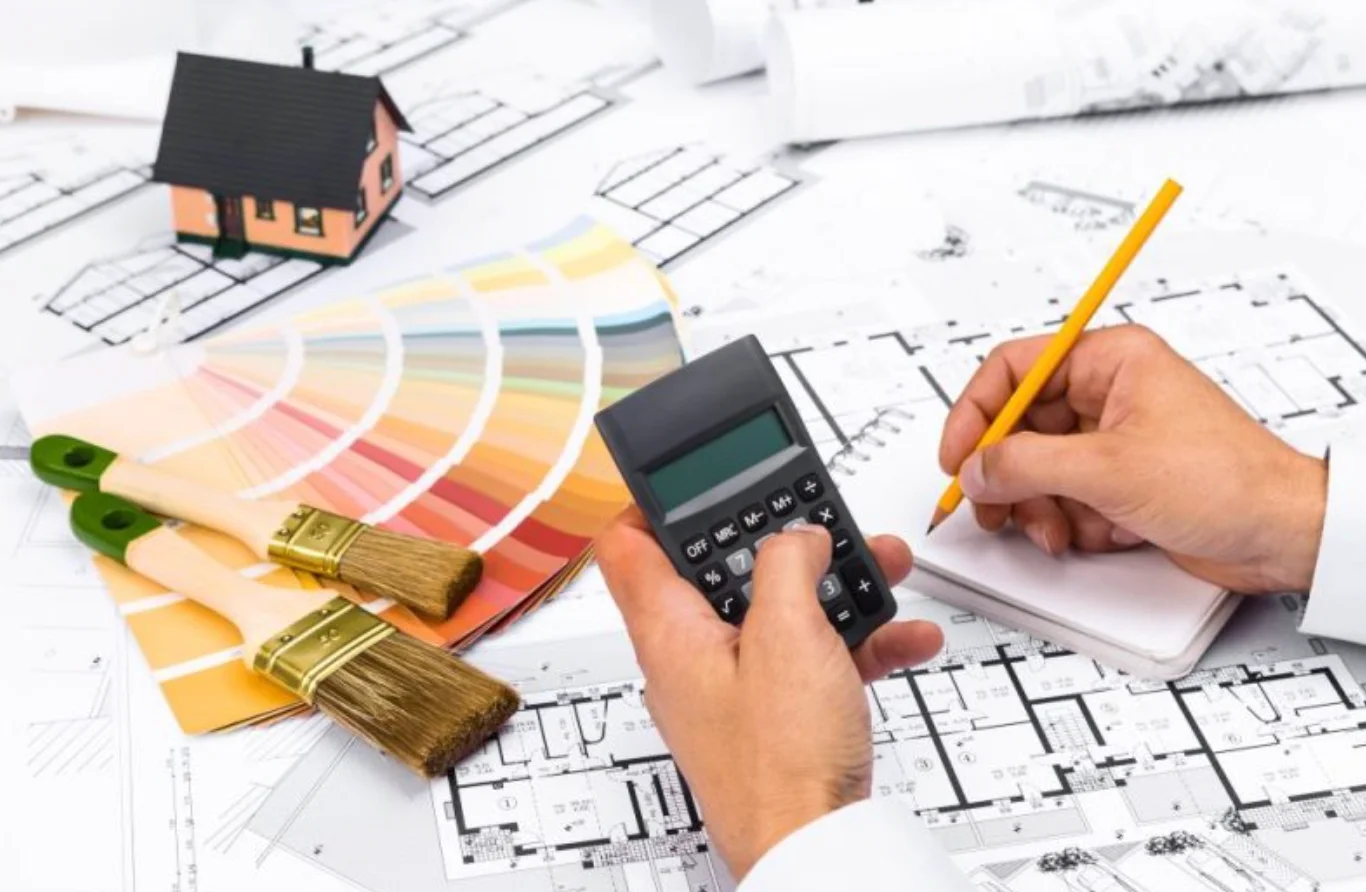
Painting your home is one of the simplest ways to refresh its look and increase its value, but estimating the cost can feel confusing if you do not know where to start. Many UK homeowners either overspend or underestimate their budget because they miss key details like preparation work, paint quality, or labour charges. Using a paint cost calculator UK can give you a quick estimate, but it is still important to understand the process. This guide explains the full process in a clear and practical way so you can calculate your paint costs accurately and avoid surprises.
Understanding the Key Factors That Affect Paint Costs
Before calculating costs, you need to understand what actually drives the price of a painting project. Each factor below plays a direct role in your final budget, and ignoring even one can lead to inaccurate estimates.
Size of the Area
The total surface area is the most important factor in cost estimation. Larger rooms require more paint and more time to complete, which increases both material and labour costs. Always measure walls, ceilings, and any additional surfaces like trims or doors.
Type of Paint
Paint quality affects both price and finish. Cheaper paints may seem cost-effective, but they often require more coats and may not last long. Premium paints offer better coverage and durability, which can save money in the long run.
| Paint Type | Average Cost per Litre | Key Benefit |
|---|---|---|
| Basic Emulsion | £10 to £20 | Budget-friendly |
| Mid-Range Paint | £20 to £40 | Better coverage |
| Premium Paint | £40+ | Long-lasting finish |
Surface Condition
Walls in poor condition require extra preparation such as filling cracks, sanding, or applying primer. This step is often overlooked but can significantly increase the total cost if not planned properly.
Number of Coats
Most painting jobs require at least two coats for a smooth and even finish. Dark colours or uneven surfaces may need additional coats, which increases paint usage.
Labour Costs
Labour charges vary across the UK and depend on the painter’s experience and the complexity of the job. Skilled professionals may charge more, but they usually deliver better and faster results.
Step by Step Guide to Estimating Paint Costs
Breaking down the process into simple steps helps you calculate costs more accurately and avoid guesswork.
Measure Your Walls
Start by measuring the height and width of each wall and multiply them to get the total area. Repeat this for all walls in the room and add the values together.
Subtract Doors and Windows
Doors and windows do not require paint, so subtract their area from the total. This prevents overestimating the amount of paint needed.
Calculate Paint Quantity
Most paints in the UK cover around 10 to 12 square metres per litre. Divide your total area by the coverage rate to find how much paint you need.
| Total Area (m²) | Coverage (m² per litre) | Paint Needed (Litres) |
|---|---|---|
| 40 | 10 | 4 |
| 60 | 10 | 6 |
| 80 | 10 | 8 |
Multiply by Number of Coats
If your project requires two coats, simply double the amount of paint calculated. Always check if your chosen paint requires additional coats.
Add Extra for Safety
Add around 10 percent extra paint to cover mistakes, touch-ups, or uneven surfaces. This ensures you do not run out of paint during the project.
You can also use a paint cost calculator UK to quickly estimate materials, but manual calculation helps you understand where your money is going.
Average Paint Costs in the UK
Having a clear idea of average costs helps you plan a realistic budget and avoid overspending.
Cost Per Room
The cost varies depending on the size and condition of the room, as well as the quality of paint used.
| Room Size | Estimated Cost Range |
|---|---|
| Small Room | £150 to £300 |
| Medium Room | £300 to £600 |
| Large Room | £600 to £1,000 |
Material Costs
Paint is not the only expense. You also need tools and preparation materials.
| Item | Average Cost |
|---|---|
| Paint | £100 to £300 |
| Primer | £20 to £60 |
| Brushes and Rollers | £15 to £50 |
| Tape and Sheets | £10 to £30 |
Labour Costs in the UK
Labour can take up a large part of your total budget, especially for bigger projects or homes that require extensive preparation.
Daily Rates
Professional painters usually charge between £150 and £250 per day. Rates may be higher in larger cities.
Time Required
The time needed depends on room size and complexity.
| Room Type | Estimated Time |
|---|---|
| Small Room | 1 to 2 days |
| Medium Room | 2 to 3 days |
| Large Room | 3 to 5 days |
When Labour Costs Increase
Labour costs may rise if the job includes high ceilings, detailed trims, or damaged walls that require extra preparation.
Interior vs Exterior Painting Costs
Not all painting jobs are the same, and the cost difference between interior and exterior work can be significant.
Interior Painting
Interior painting is generally cheaper because it requires less preparation and uses standard paints. It is also easier to complete without weather-related delays.
Exterior Painting
Exterior painting costs more due to the need for weather-resistant paints and additional safety equipment such as ladders or scaffolding.
| Type | Average Cost Range |
|---|---|
| Interior | £200 to £800 per room |
| Exterior | £1,000 to £3,000 total |
Tips to Save Money on Paint Costs
Saving money does not mean compromising on quality. With the right approach, you can reduce costs while still achieving a great finish.
Do Preparation Yourself
Handling tasks like cleaning, sanding, and masking can reduce labour costs significantly.
Compare Multiple Quotes
Always get at least three quotes from professionals. This helps you find a fair price and avoid overpaying.
Choose the Right Paint
Mid-range paints often provide the best balance between cost and quality. They offer good coverage without the high price of premium brands.
Buy in Bulk
Buying larger paint tins can reduce the cost per litre and save money overall.
Plan Properly
Proper planning prevents waste and ensures you buy the right amount of materials from the start.
Using tools like a paint cost calculator UK can also help you compare different budget scenarios quickly.
Common Mistakes to Avoid
Many homeowners make simple mistakes that increase their painting costs unnecessarily.
Underestimating Paint Needs
Buying too little paint can delay your project and increase costs due to additional purchases.
Skipping Surface Preparation
Ignoring wall preparation leads to poor results and may require repainting sooner than expected.
Choosing Cheap Materials
Low-quality tools and paint can lead to uneven finishes and higher long-term costs.
Not Setting a Budget
Without a clear budget, it is easy to overspend on unnecessary upgrades or materials.
FAQs
How much does it cost to paint a house in the UK?
It typically costs between £1,500 and £5,000 depending on size and condition.
How do I estimate paint quantity?
Measure wall area and divide by paint coverage per litre.
Is DIY painting cheaper?
Yes, but it depends on your skills and time availability.
How many coats of paint are needed?
Most projects require at least two coats.
What is the average painter daily rate in the UK?
Around £150 to £250 per day.
Do I need primer before painting?
Yes, especially for new or damaged surfaces.
Final Thoughts
Estimating paint costs for your home in the UK becomes much easier when you understand the key factors and follow a clear step-by-step process. By measuring accurately, choosing the right materials, and planning for labour, you can avoid unexpected expenses and stay within budget. Whether you take the DIY route or hire a professional, careful planning ensures a smooth and cost-effective painting project that improves both the look and value of your home.

Doris Pollard, a mesmerizing wordsmith and experienced blogger, crafts narratives that carry readers into unexplored realms. Infused with insightful perspectives and vibrant storytelling, Doris’s mastery of language captivates both hearts and minds, making an enduring impression on the literary landscape.