
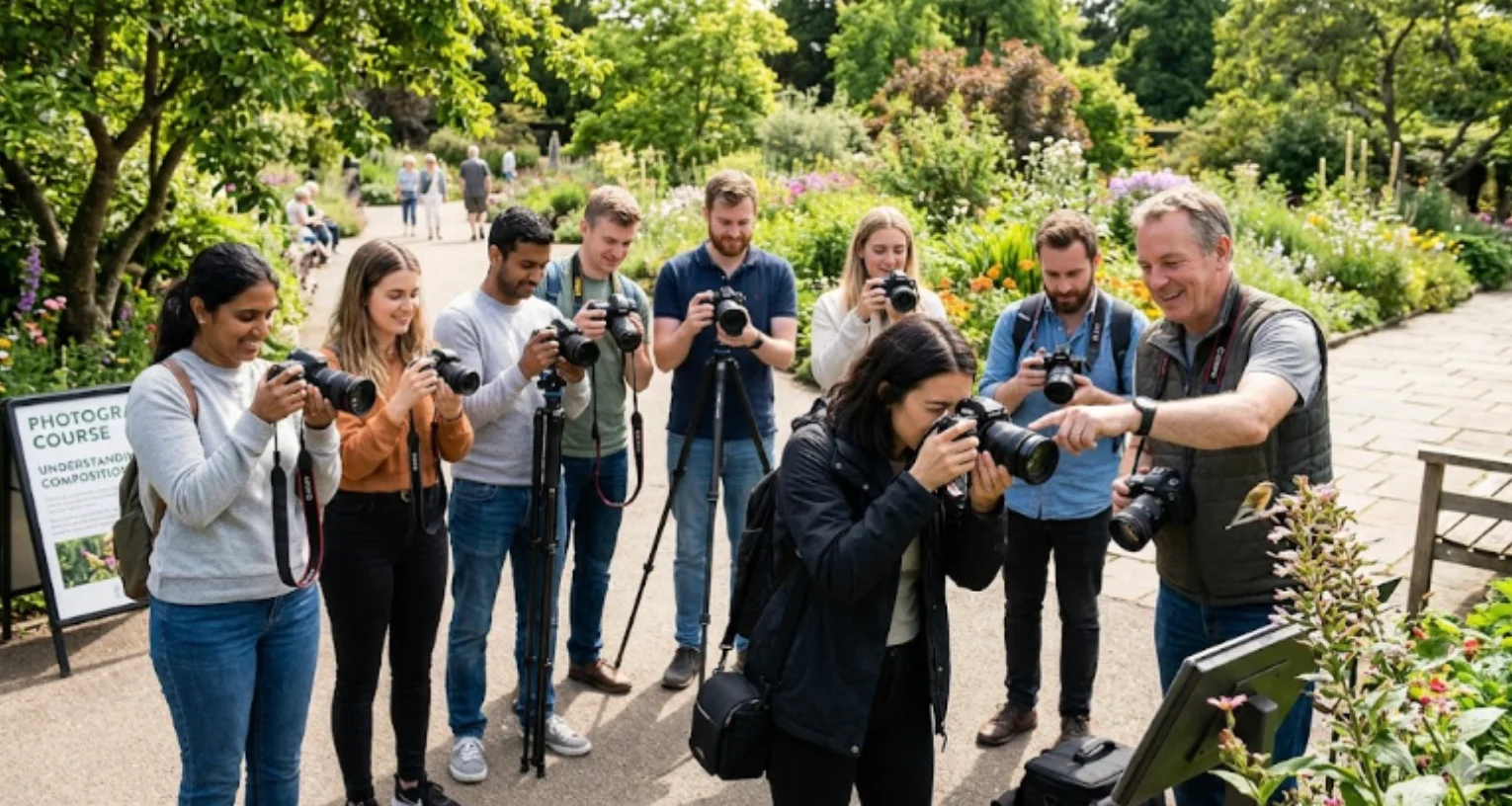
Photography has never been more accessible. With high-quality smartphone cameras, affordable digital cameras, and endless online inspiration, more Australians are exploring photography as a hobby, side business, or creative outlet. However, owning a camera does not automatically translate into taking exceptional photographs.
Many beginners quickly discover that understanding lighting, composition, camera settings, and editing requires structured learning. This is where photography courses can make a significant difference. Whether you want to capture stunning landscapes, memorable family moments, or professional-quality images, a well-designed course can accelerate your progress and help you avoid common mistakes.
The Growing Popularity of Photography Education
Photography remains one of Australia’s most popular creative pursuits. According to data from the Australian Bureau of Statistics, participation in creative and visual arts activities continues to be widespread across the country, reflecting a growing interest in creative skills development.
At the same time, the global e-learning market has experienced substantial growth. According to research from Statista, the online learning industry is projected to exceed hundreds of billions of dollars globally over the coming years, demonstrating the increasing preference for flexible education options.
As more people seek practical and creative skills, photography courses have become an attractive way to learn from experienced professionals while progressing at a structured pace.
Why Self-Teaching Has Its Limits
While free tutorials and videos can be useful, many aspiring photographers struggle to develop a clear learning path. Jumping between random online resources often creates confusion rather than confidence.
Common challenges include:
- Not understanding manual camera settings
- Difficulty achieving consistent image quality
- Limited knowledge of composition techniques
- Poor lighting management
- Lack of constructive feedback
- Uncertainty about editing workflows
Without a structured approach, it can take years to piece together the knowledge required to produce professional-looking photographs consistently.
The Benefits of Enrolling in a Photography Course
A quality photography course provides a step-by-step framework designed to build skills progressively.
Learn the Fundamentals Properly
The foundation of photography lies in understanding exposure, aperture, shutter speed, and ISO. These concepts work together to determine how an image is captured.
Rather than relying on automatic settings, students learn how to take creative control of their cameras and achieve the results they envision.
Receive Expert Guidance
One of the biggest advantages of formal training is learning directly from experienced photographers. Professional instructors can explain complex concepts in simple terms and provide practical insights based on real-world experience.
This guidance helps students avoid bad habits and accelerate their learning journey.
Build Confidence Through Practice
Photography is a hands-on skill. The best courses combine theory with practical assignments that encourage students to apply what they learn immediately.
Regular practice helps reinforce concepts and develops confidence behind the camera.
Gain Constructive Feedback
Feedback is often the missing ingredient in self-directed learning. Experienced tutors can identify areas for improvement and provide personalised recommendations that help students progress more efficiently.
Choosing the Right Photography Course
Not all courses are created equal. When evaluating your options, consider the following factors:
Course Structure
Look for a programme that covers essential topics in a logical sequence. Beginners should start with camera fundamentals before progressing to advanced techniques.
Flexibility
Many Australians prefer online learning because it allows them to study at their own pace. Flexible courses are ideal for those balancing work, family commitments, or other responsibilities.
Instructor Experience
Research the qualifications and professional experience of the instructors. Learning from practising photographers can provide valuable industry insights that go beyond textbook knowledge.
Student Support
Access to tutors, community groups, and feedback opportunities can significantly enhance the learning experience.
For those just beginning their journey, a comprehensive photography course for beginners can provide the guidance needed to build a strong foundation and develop confidence behind the camera.
Photography Skills That Extend Beyond the Camera
Photography education offers benefits that reach far beyond taking better pictures.
Enhanced Creativity
Learning photography encourages individuals to view the world differently. Students become more aware of light, colour, texture, and composition in everyday environments.
Improved Problem-Solving
Photographers constantly adapt to changing conditions, whether dealing with difficult lighting, unpredictable weather, or challenging subjects. These experiences strengthen critical thinking and problem-solving skills.
Potential Career Opportunities
Photography skills can open doors to various professional pathways, including:
- Portrait photography
- Wedding photography
- Commercial photography
- Real estate photography
- Product photography
- Social media content creation
- Travel photography
Even for those who do not pursue photography professionally, the ability to create high-quality visual content is increasingly valuable in today’s digital landscape.
The Future of Photography Learning
Technology continues to transform how people learn photography. Online platforms now offer interactive lessons, personalised feedback, virtual communities, and flexible learning schedules that were not possible a decade ago.
At the same time, the demand for visual content continues to rise across social media, websites, e-commerce platforms, and digital marketing channels. Businesses and individuals alike recognise the value of strong photography skills in creating engaging visual stories.
As a result, investing in photography education has become more relevant than ever.
Final Thoughts
Photography is both a technical skill and a creative art form. While modern cameras make it easier to capture images, developing the knowledge and confidence to create consistently impressive photographs requires dedicated learning and practice.
Photography courses provide a structured pathway that helps beginners master essential techniques, gain valuable feedback, and build confidence more efficiently than self-teaching alone. Whether your goal is personal enjoyment, creative expression, or professional growth, the right course can provide the foundation needed to achieve lasting success.
By investing in quality photography education, aspiring photographers can transform their passion into a rewarding and lifelong skill.

Doris Pollard, a mesmerizing wordsmith and experienced blogger, crafts narratives that carry readers into unexplored realms. Infused with insightful perspectives and vibrant storytelling, Doris’s mastery of language captivates both hearts and minds, making an enduring impression on the literary landscape.
Photography courses are a great way to build technical skills, but having access to the right environment for practice is just as important. Lighting, space, and creative freedom can make a big difference when developing your style and portfolio. If you’re looking to rent a photo studio, a professional setting can help you get the most out of every shoot and continue improving your craft.
https://wezoree.com/destinations/ offers a refreshing approach to destination wedding planning because it puts the location at the heart of the experience. I like seeing such a broad range of possibilities, from sophisticated cities to peaceful countryside and tropical islands. It gives couples the freedom to choose a place that matches their personality. The ability to discover wedding professionals connected with these destinations also makes the whole concept feel much more convenient.