
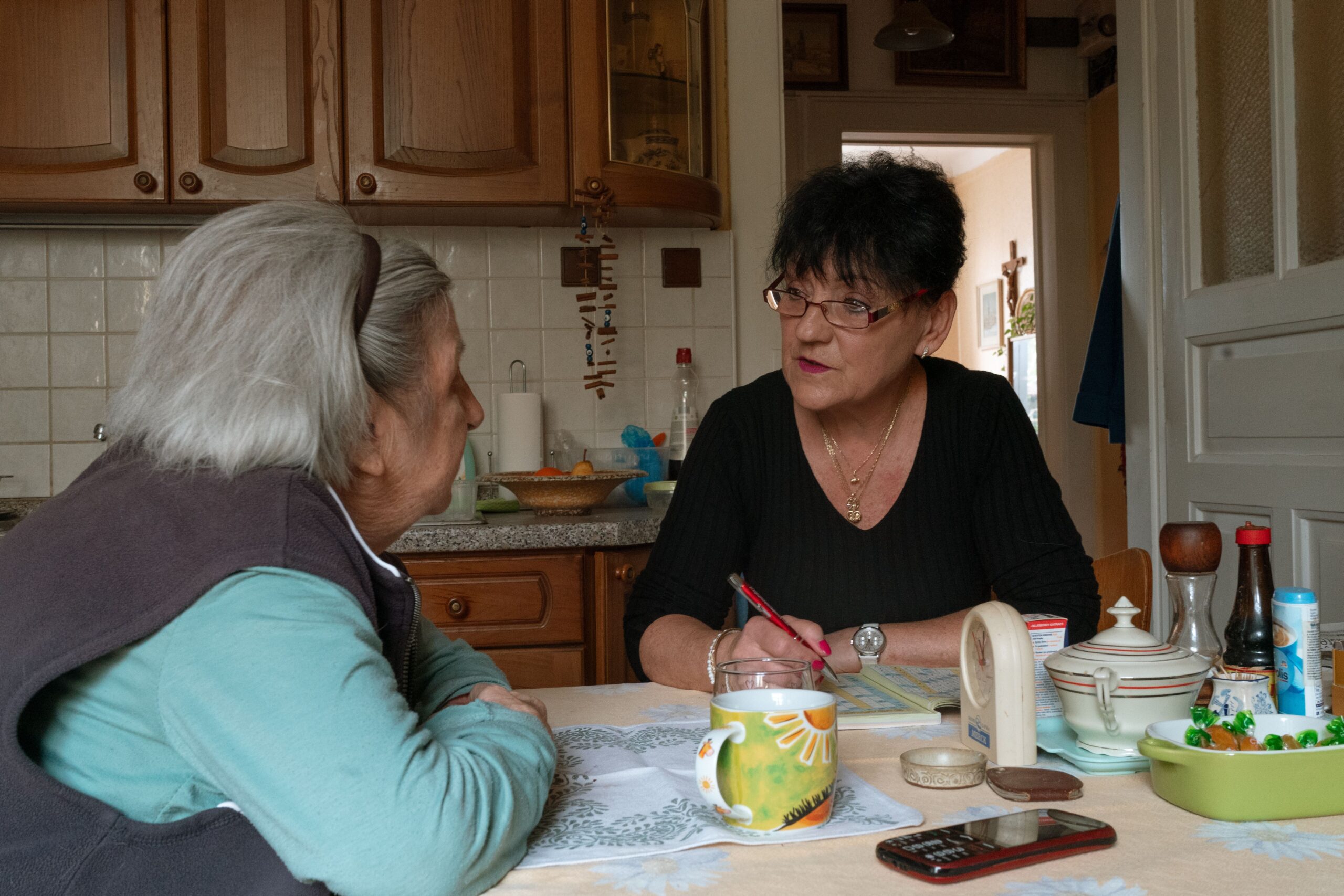
Something shifts when people gather around a shared interest. Real connections form — sometimes fast. Members feel heard. Valued. Like they matter to someone outside their own household. That doesn’t happen on its own. It takes deliberate work, a genuine investment in belonging, and a culture where mutual respect gets practiced, not just announced. The payoff? Deeper bonds, real support, a sense of purpose isolation can never manufacture. Modern life fragments people constantly. A good community pulls the pieces back.
Connection and What It Does to Individual Well-Being
Belonging hits harder than most people admit. Drop yourself into a group where members actually engage with each other — not just perform engagement — and loneliness starts to crack. Measurably. Studies tie strong social networks to higher life satisfaction and emotional durability, and friendships formed inside community groups rarely stay confined to the original context. Trust accumulates. So does care. Those relationships hold during the rough stretches just as much as the good ones. Even something as unremarkable as showing up weekly with people who share your interests produces improvements — psychological, physical, sometimes both at once.
Shared Purpose and Why It Changes the Whole Experience
Working toward something together changes the texture of participation entirely. When you collaborate on projects that matter to everyone in the room, your individual contribution starts feeling like part of something larger. That’s the shift. Volunteer groups consistently achieve better outcomes when every member can trace their work back to the broader mission. Personal values align with collective goals — and that alignment drives continued participation far more reliably than obligation ever could. People who see direct results stay invested. Communities anchored in clear, meaningful purpose also tend to attract new members organically; a strong mission signals that showing up will actually be worth the effort.
Trust Gets Built Through Honest, Consistent Communication
Trust doesn’t arrive on its own. It’s constructed — slowly, through honesty and follow-through. Communities that set clear guidelines, share information consistently, and handle conflict with basic decency wind up with far stronger member bonds. Transparent leadership matters enormously here. When the people running things are open about decisions, challenges, and opportunities, members feel included rather than managed. Regular meetings help. So does genuinely soliciting feedback instead of just performing the motion. Consistent communication cuts misunderstandings before they fester — and it signals something crucial: that every member’s perspective actually counts. That’s the foundation that lets people be vulnerable, float half-formed ideas, and support each other without putting on a show.
Resource Sharing and Mutual Support: Where Community Gets Practical
Joining an engaged community expands what you can access. Skills, expertise, tools, information, connections you’d never stumble onto alone. Members share what they know. Someone needs professional advice; someone else has it. Someone needs help with a project; three people offer. That generosity tends to be the norm rather than the exception. Seniors seeking a vibrant social environment, for instance, rely on Independent Living with supportive services** in Hermitage to access exactly this kind of resource sharing, mentorship, and daily mutual support within a purposefully built community. Pooling resources reduces individual burden. It creates efficiencies. And the reciprocal nature of it — giving and receiving — keeps the whole system alive, ensuring no one faces their hardest moments completely alone.
Conclusion
Strong communities produce better experiences because the ingredients are right. Genuine connection, practical support, shared purpose, spaces where people actually feel valued. The benefits cut deeper than social enjoyment. Participation shapes your quality of life — but it also shapes the group’s resilience and long-term strength. Communities that commit to honest communication, mutual respect, and common goals build the kind of trust where members can genuinely thrive. Whether you want deeper connections, something meaningful to work toward, or just a reliable support network — showing up consistently pays off. The returns are real. And so is the sense of belonging.

I really enjoy studying on this web site, it has superb content. “Those who complain most are most to be complained of.” by Matthew Henry.
Thank you for sharing such insightful thoughts on community building! It’s fascinating how strong connections enhance our experiences, much like the collaborative spirit in games like Run 3. Looking forward to more of your reflections!