
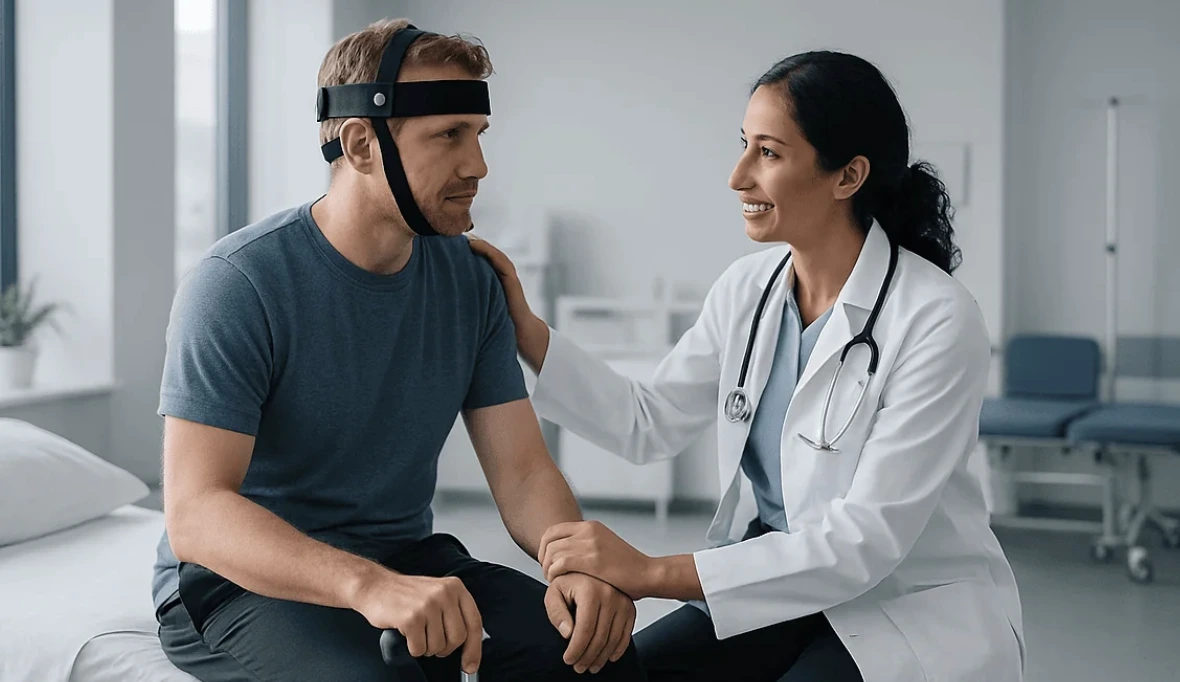
Recovering from surgery, injury, or illness can make everyday tasks feel difficult, and spending that recovery somewhere unfamiliar can knock your confidence and independence even further.
Rehabilitation at home preserves the patient’s independence in their own space, with the help of a trained carer who works alongside their healthcare team. A carer can help with daily tasks such as cleaning, self-care, cooking, and keeping track of medication, and it’s your choice whether this is round-the-clock or occasional. Below, we look at how a home carer can support you during rehabilitation.
Injury Rehabilitation: What It Involves
After a serious injury, and potentially surgery, depending on the area and type of injury, the rehabilitation process can include an initial phase of protection and a second phase of physical therapy exercises, starting with small movements and progressing to sport-specific exercises.
The rehabilitation happens in phases to protect the injured area while it heals and to gradually rebuild strength and movement.
This is most of what happens when the rehabilitation is specifically physical, but for brain injury care, for example, the process is different. Because a brain injury can affect memory, movement, speech, and behaviour, the care plan is usually more complex, as it involves multiple team members and multiple goals. The patient needs to remember how to walk, talk and move their hands, and this largely depends on the area of the brain affected. With the right support in place, much of this rehabilitation can continue safely at home.
Why Specialist Support at Home Helps Recovery
The support of a specialist in the patient’s own space plays a crucial role in helping individuals recover safely. After a period in the hospital, an individual might feel more comfortable staying in their own space and regaining control of their life, but this does not mean they are fully autonomous or able to live alone. On the contrary, the idea of having a carer in a safe space allows them to be looked after so that support can be tailored closely to their needs.
The key ways a home carer can help during the recovery phase are:
- Prevent muscle weakness: encouraging regular movement and everyday activity helps maintain strength and reduces the risk of muscle weakness.
- Reduce the risk of acquiring infections: Being at home, with fewer people around, lowers the risk of picking up hospital-acquired infections.
- Tailored care plan: a care plan built around the individual’s routine, preferences and goals, with carers keeping in close contact with doctors and therapists.
- Constant professional contact: carers complement, rather than replace, physiotherapists, occupational therapists and speech and language therapists. This matters especially for readers with brain injuries.
- Professional monitoring: Carers keep an eye on symptoms and progress day-to-day and promptly flag any concerns to the medical team.
- Psychological support and company: during a recovery phase, an individual may feel left out, incapable of performing basic tasks, and lonely. An in-house carer can help the patient feel considered, appreciated and heard in the comfort of their house. Sometimes, just having someone listen is enough to make the whole process lighter and smoother.
How to Find the Right Carer For Your Needs
When hiring a carer, make sure they are suitable for your loved one’s needs. Start by considering the type of injury and the level of support needed. List the daily tasks involved and any specialist skills required, such as experience with brain injury, and take personal preferences into account, for example, a carer of the same gender for personal care like washing and dressing.
It is highly recommended to have a conversation with them and meet them in person, perhaps with the person being cared for. If care will be round-the-clock, it’s especially important that they get on well.
A specialist home care agency can help you assess your needs and find the right match, as well as handle background checks and arrange cover if a carer is unwell, including background checks and cover in case of carer sickness.
Recovering Where You Feel Most at Home
Rehabilitation is rarely a straight line, and every recovery looks different, particularly after a brain injury. Having the right support at home means you or your loved one can focus on getting stronger in familiar surroundings, with a consistent carer who understands your routine, encourages progress and works alongside your medical team.
Whether you need a few visits a week or round-the-clock live-in care, specialist support can make the journey safer, more comfortable and a little less daunting. If you’re considering rehabilitation at home, speaking to an experienced care provider is a good first step towards finding the support that fits.

Doris Pollard, a mesmerizing wordsmith and experienced blogger, crafts narratives that carry readers into unexplored realms. Infused with insightful perspectives and vibrant storytelling, Doris’s mastery of language captivates both hearts and minds, making an enduring impression on the literary landscape.