
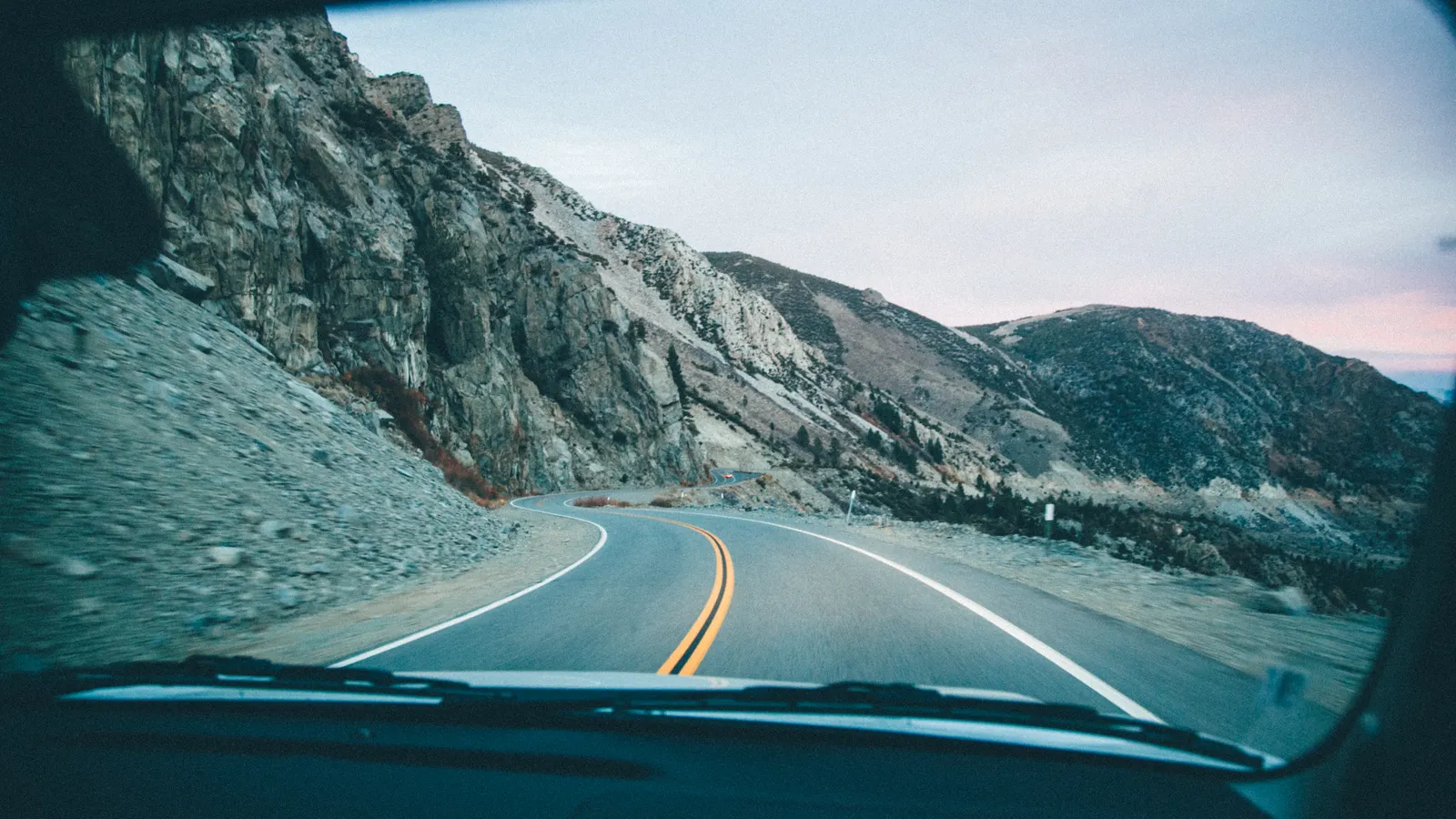
If you are asking how frequently should you take breaks when driving long distances, the short answer is about every two hours. Official guidance in the UK recommends a break of at least 15 minutes after every two hours of driving, and US road safety groups suggest stopping about every two hours or every 100 miles. The right rhythm for you depends on how rested you are, the time of day and how demanding the road is.
This guide explains how often to stop, how long each stop should last, which warning signs mean you should pull over sooner, and what actually helps when you feel tired at the wheel.
How frequently should you take breaks when driving long distances?
The most widely used rule is simple: stop at least every two hours. The Highway Code in Great Britain says a minimum break of at least 15 minutes after every two hours of driving is recommended. In the United States, safety advice usually frames it as a break every two hours or every 100 miles, whichever comes first.
Treat these numbers as a ceiling, not a target. If you start the trip tired, drive at night, or face heavy rain, roadworks or dense traffic, stop earlier. A tired driver who pushes on to hit the two-hour mark is taking a bigger risk than one who pulls over after 75 minutes.
A simple break schedule
| Situation | Suggested stop | Break length |
|---|---|---|
| Well rested, daytime, easy road | Every two hours or 100 miles | 15 to 20 minutes |
| Busy traffic, bad weather or unfamiliar roads | Every 60 to 90 minutes | 15 to 20 minutes |
| Late afternoon or evening drive | Every 60 to 90 minutes | 20 minutes plus a short walk |
| Driving between midnight and 6 am | Avoid if possible, or stop every hour | Rest or stay overnight |
| Feeling sleepy at any time | As soon as it is safe | Coffee and a 15 to 20 minute nap |
Why regular breaks matter
Driving for hours on a monotonous road slowly wears down your attention. Reaction times lengthen, you scan the road less often and your judgement of speed and distance gets worse. Sleepiness slows a driver in much the same way that alcohol does, and the effects build gradually, so many people do not notice how impaired they have become.
US estimates put drowsy driving at roughly 91,000 police-reported crashes in a single year, with around 50,000 injuries and close to 800 deaths, and experts agree the real figure is higher because tiredness is hard to prove after a crash. Sleepiness-related crashes are most common between midnight and 6 am and in the late afternoon, which are the two natural dips in the body clock. They often involve a single driver running off the road with no sign of braking.
Micro sleeps happen faster than you think
A micro sleep is a brief loss of consciousness that can last four or five seconds. At 55 miles per hour, that is more than 100 yards travelled while effectively asleep. You may not even realise it happened, which is why the safest approach is to stop before you feel dangerously tired rather than waiting for a warning sign.
How long should each break last?
A break should be long enough to get out of the car, move around and reset your attention. For most drivers that means 15 to 20 minutes. A five minute stop for fuel and a quick drink can help your body, but it is rarely enough to counter real tiredness.
Use the time well. Get out of the vehicle, walk, stretch your back, neck and legs, drink some water and eat something light. Avoid a heavy meal, because large portions can make you sleepier when you set off again.
Where to stop safely
- Choose a motorway service area, a well-lit rest stop or a busy town car park.
- Never stop on the hard shoulder or in an emergency area of a motorway to rest.
- Lock the doors if you plan to nap, and keep your keys and phone with you.
- If you are driving alone at night, pick a place where other people are nearby.
Warning signs that mean stop now
Do not wait for the next planned break if you notice any of these signs. They are your cue to pull over at the next safe place.
- Frequent yawning or heavy eyelids.
- Difficulty keeping your eyes focused, or your thoughts drifting.
- Not remembering the last few miles you drove.
- Missing a turn or exit, or drifting out of your lane.
- Drifting onto the rumble strip or following the car ahead too closely.
- Feeling restless, irritable or unable to sit comfortably.
What works when you are tired, and what does not
Two things have good evidence behind them: caffeine and a short nap. Drinking one to two cups of coffee and then taking a nap of about 15 to 20 minutes in a safe place can improve alertness. Because caffeine takes a little while to work, having the coffee just before the nap lets it kick in as you wake.
These are temporary fixes. They can help you reach a safe place to rest, but they do not replace sleep, and the sleepiness returns if you keep driving for long. If you are very tired, the safest choice is to stop for the night.
Tricks that do not work
- Opening the window or turning the air conditioning to cold.
- Turning up the radio or singing along.
- Energy drinks or coffee on their own, without rest.
- Telling yourself you will push on just a little longer.
Studies using driving simulators have found that drivers often skip optional rest stops even when they feel very drowsy, which shows how easy it is to underestimate your own tiredness. Plan your stops before you set off so the decision is already made.
How to plan a long drive
- Sleep well the night before. Most adults need seven to eight hours.
- Avoid starting a long journey after a full working day.
- Avoid driving between midnight and 6 am when natural alertness is at its lowest, and be careful in the mid to late afternoon.
- Mark your breaks on the route in advance, ideally at service areas or towns.
- Share the driving with another licensed driver if you can.
- Check medicine labels and avoid anything that may cause drowsiness.
- Consider an overnight stop for very long trips.
Our guide to a trip with unusual stops near Almaty is a good example of how a long route can be broken into interesting stops. If you are hiring a car with a driver for a special occasion instead, see our guide to how much it costs to rent a limo, which also covers booking times and trip length. For planning a longer holiday route, our feature on visiting Nepal and Bhutan in one trip shows how to pace a journey.
Rules for professional drivers
Drivers of lorries, buses and coaches follow stricter rules than private motorists. In Great Britain, a driver covered by the drivers’ hours rules must take a break of 45 minutes after 4.5 hours of driving, and that break can be split into 15 and 30 minutes. In the United States, long-haul truck drivers must take a 30-minute break after eight hours of driving. If you drive for work, check the exact rules that apply to your vehicle and route.
Private drivers are not bound by these limits, but they offer a useful reminder: even professionals who are trained and regulated need regular rest to stay safe.
Sources of official advice
For the exact wording of the UK guidance on tiredness, see the Highway Code section on fitness to drive. For US safety advice on drowsy driving, the federal drowsy driving page explains the main risk factors and how to stay alert.
Frequently asked questions
How often should you stop on a long drive?
Plan to stop at least every two hours, or about every 100 miles. Stop sooner if you feel tired, the roads are busy or the weather is poor. These intervals are a maximum, so a shorter gap is always safer when you are not at your best.
How long should a driving break be?
Aim for at least 15 minutes. A break of 15 to 20 minutes gives you time to leave the car, walk, stretch, drink water and reset your attention. A very quick stop for fuel is not the same as a proper rest.
Is it better to take short breaks or one long break?
Several shorter breaks are generally better than one long stop late in the journey. Regular stops keep tiredness from building up. If you need to make up time, shorten the stops slightly rather than skipping any of them.
Is it safe to drive for 8 hours straight?
No. Driving that long without regular breaks greatly raises the risk of a crash. Even with stops every two hours, a full day behind the wheel is demanding, so consider sharing the driving or planning an overnight stay.
Does coffee replace a break?
No. Coffee can help for a short time, but it does not remove tiredness, and you can still have micro sleeps. The most effective short-term fix is a cup or two of coffee followed by a 15 to 20 minute nap in a safe place.
What is the best time to drive a long distance?
Choose times when you are normally awake and alert, such as the morning after a full night of sleep. Avoid driving between midnight and 6 am and take extra care in the late afternoon, when many people feel a natural dip in alertness.
Conclusion
So, how frequently should you take breaks when driving long distances? Plan a stop of at least 15 minutes every two hours, or about every 100 miles, and stop sooner if you feel sleepy. Sleep well before you leave, avoid the small hours, and use a short nap rather than tricks. When in doubt, pull over and rest.

Doris Pollard, a mesmerizing wordsmith and experienced blogger, crafts narratives that carry readers into unexplored realms. Infused with insightful perspectives and vibrant storytelling, Doris’s mastery of language captivates both hearts and minds, making an enduring impression on the literary landscape.