
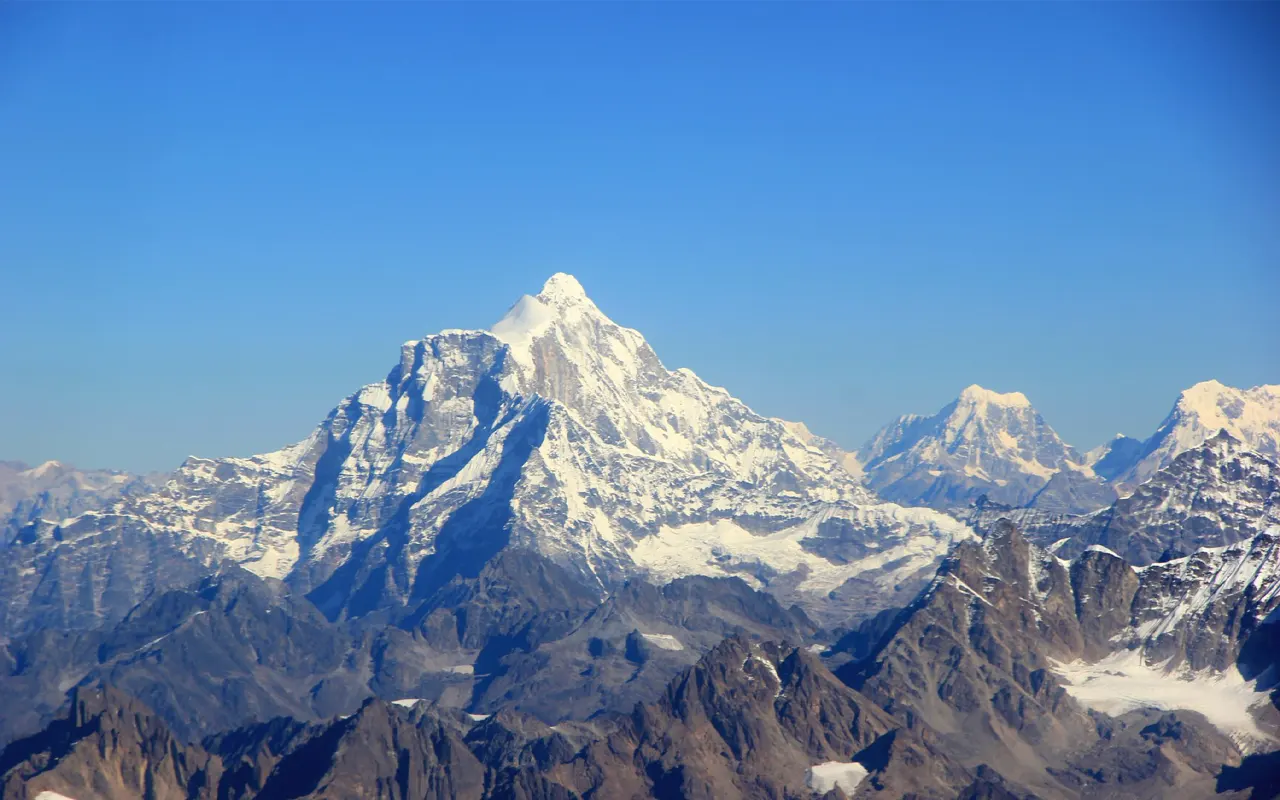
The Himalayas are among the most breathtaking mountain ranges on Earth. They are long strips spanning multiple countries within Asia, boasting of a mountainous terrain, ancient civilization, religious practices, and sceneries that have not been altered by time. To those who want to experience the beauty of nature and also explore the rich cultural heritage, a trip to Nepal and Bhutan in one journey is an experience to live.
The carefully designed Nepal and Bhutan Tour gives one a chance to visit Nepal and Bhutan through the colorful cities, serene monasteries, mountain shadows, and Himalayan traditions in one great trip.
The trip unites two nations, which have Himalayan roots but are still different. Nepal is a culturally diverse country, boasting of great trekking trails and historical cities, whereas Bhutan is a serene kingdom with the philosophy of Gross National Happiness, a well-maintained culture, and a clean environment. The combination of them is to make the travelling experience full of adventure, spiritual, and discovery.
The Himalayan Connection Between Nepal and Bhutan
Nepal and Bhutan are situated in the eastern and central regions of the Himalayan mountains. Despite the similar Buddhist practices, breathtaking mountainous landscapes, and millennium-old monasteries, the cultures and lifestyles of the two countries are fascinating in a variety of ways.
Nepal is between India and China, and it is distinguished by the variety of landscapes, including both the tropical plains and the highest mountains in the world. Mount Everest can be found in the country, and it has an altitude of 8,848.86 meters (29,031.7 feet) above sea level.
Bhutan is a smaller kingdom that is situated on the eastern side of Nepal and is surrounded by the Himalayas. The country has conserved its environment and culture by setting restrictions on tourism so as not to spoil its traditions and nature.
A Nepal and Bhutan Tour means that the travelers have a rare chance to compare the two Himalayan societies, along with the spectacular mountain scenery, in a single trip.
Beginning the Journey in Nepal
A lot of tourists start their Himalayan journey in Kathmandu, which is the capital city of Nepal. Kathmandu is located at an altitude of approximately 1,400 meters (4,593 feet) in one of the old valleys among the green hills and ancient settlements. The city has ancient temples with commercial markets, ancient courtyards, and contemporary cafes.
Kathmandu Valley boasts of UNESCO World Heritage sites that comprise sacred temples, royal palaces, and Buddhist stupas. The great stupa of Boudha is a major landmark that is always visited by tourists as it is one of the world’s biggest Buddhist stupas and an important place of pilgrimage. Very close to it is Swayambhu Stupa or the Monkey Temple, which is located on a hill and provides panoramic views of the valley.
The other attraction of the valley is the city of Bhaktapur, which existed in medieval times. It is possible to walk in its small streets and find beautifully carved wooden windows, brick temples, and bustling public squares, which reminds a living museum.
The visit to these historic sites enables the travelers to have a glimpse of the rich Nepalese culture before going deeper into the Himalayas.
Experiencing the Mountains of Nepal
Any Himalayan trip will never be complete without experiencing the legendary mountainous scenery of Nepal. A lot of tourists come to the quiet city of Pokhara, which is situated at an altitude of approximately 822 meters (2,697 feet). Pokhara boasts of serene lakes, a relaxed environment, and breathtaking views of the Annapurna Mountain range.
Machapuchare (also known as Fishtail Mountain) is a dramatic mountain that rises to 6,993 meters (22,943 feet) and can be viewed by visitors from the lakeside itself. The Annapurna range in the vicinity has Annapurna I that measures 8,091 meters (26,545 feet). You will be greeted by golden sunshine shining on snow-topped mountains in a reflection on the Phewa Lake waters when you wake up.
Nepal has numerous treks for people who like adventure. The brief hikes of the Annapurna area or the treks of the Everest Base Camp offer an intimate experience with Himalayan villages, forests, and mountain scenes. Travelers who do not hike also have access to scenic flights and a view of the beauty of the highest mountains in the world.
These are the main experiences a Nepal and Bhutan Tour offers, as they enable a traveler to enjoy the spectacular natural setting that characterizes life in the Himalayas.
Transitioning from Nepal to Bhutan
The distance between Nepal and Bhutan is comparatively easy to travel by air since there are flights between Kathmandu and Paro. The very flight is regarded as one of the most picturesque in the world, and it will most likely fly near the Himalayan mountains.
The flight to Paro offers beautiful views of tall mountains before the plane lands in a small valley surrounded by green forested hills. The Paro Airport is approximately 2, 235 meters (7, 333 feet) high, thus making it one of the most beautiful airports in the world.
As soon as you arrive in Bhutan, the first thing that you observe is the tranquillity surrounding the country, its traditional buildings, and high levels of cultural identity. The rhythm of life is slowed down, and the development of modernity is well balanced with cultural conservation.
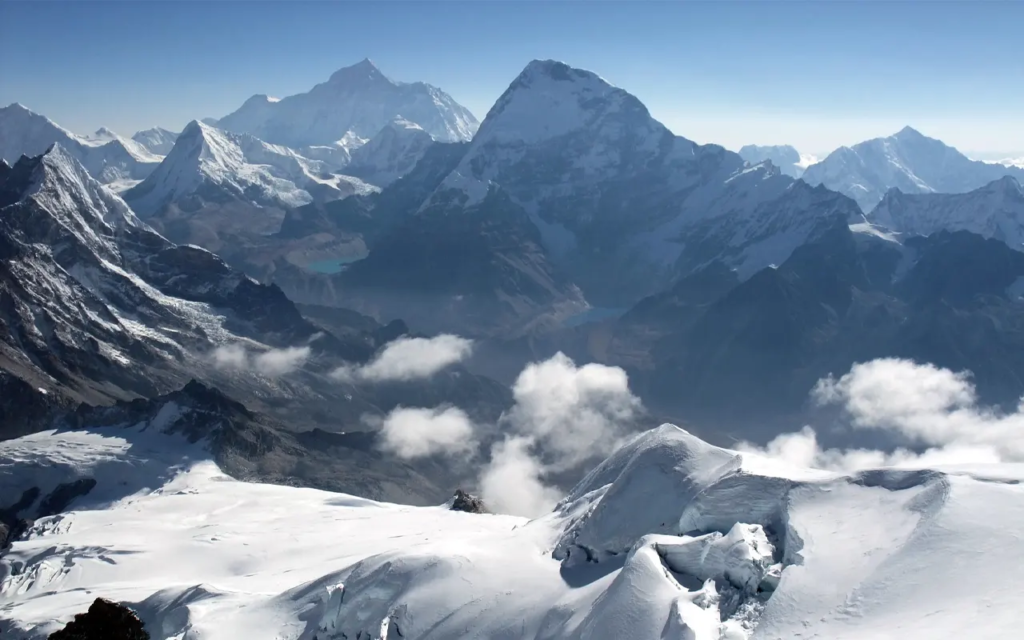
Discovering the Spiritual Heart of Bhutan
Bhutan is closely linked to the Buddhist culture, and monasteries and fortresses called dzongs are at the center of the religious and ordinary life.
The Tiger Nest Monastery, otherwise known as Paro Taktsang, is one of the most iconic places in the country. This monastery is hanging precariously on a cliff-side, approximately 3,120 meters (10,236 feet) above sea level. It will take a walk-through pine trees and mountain trails, yet it will be worthwhile as it will allow the visitor to admire the stunning views and gain a significant understanding of spiritual history.
The legend says that Guru Rinpoche, a Buddhist saint, flew and landed here at the back of a tigress and meditated in a cave. The monastery is now among the most holy places in Bhutan.
Such experiences give a Nepal and Bhutan Tour a scenic and spiritual experience.
Exploring Bhutan’s Cultural Capitals
Other than Paro, the capital city, Thimphu (2,334 meters/ 7,657 feet), of Bhutan, can be visited to gain a glimpse into the unique display of both tradition and modernity in the country. Thimphu is the only capital city in the world with no traffic lights. Rather, the traffic police use elegant hand gestures to control cars at crossroads when the traffic is heavy.
Tourists have an opportunity to see the landmarks, such as the Buddha Dordenma statue, which is a huge golden Buddha that hangs over the valley. The statue is approximately 51.5 meters (169 feet) tall and represents peace and happiness.
To the far east is the Punakha Valley, which is one of the most beautiful areas of Bhutan. One of the most striking building constructions in the country is Punakha Dzong, constructed at the confluence of the two rivers. The valley is surrounded by mountains and farmland and is located at a lower elevation (1,200 meters / 3,937 feet), which provides a warmer and more fertile environment.
Culture, Festivals, and Local Life
Nepal and Bhutan have colorful festivals, which are an expression of religious nature and life in these lands. Nepal has festivals like Dashain and Tihar, which reunite families through music, colorful festivals, and religious rituals.
In Bhutan, there are traditional festivals known as tshechus, during which sacred dances are performed by monks and practitioners in richly-coloured costumes and masks. These festivals are a celebration of the Buddhist principle, and also a time for the communities to gather in happy times.
Cultural experiences are also largely affected by food. The Nepali cuisine is usually characterized by such dishes as dal bhat, which is a mix of lentil soup, rice, vegetables, and pickles. The food of Bhutan is characterized by hot tastes and dishes based on chili peppers, like ema datshi, a dish prepared with chili peppers and cheese.
Having these traditions enriches every Nepal and Bhutan Tour, allowing the travelers to relate with the local way of life and culture.
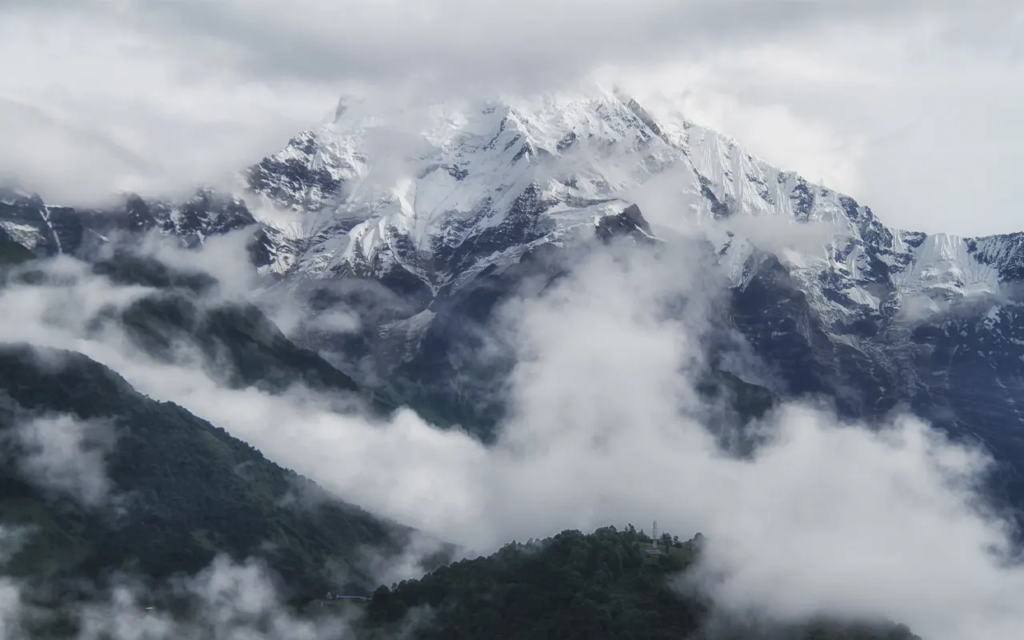
The Best Time to Travel
Spring and autumn are the best times to visit Nepal and Bhutan. The period between March and May is spring, which is accompanied by the blooming of rhododendron forests, and has clear mountain scenery. Autumn is a period between September and November, which is stable in weather and has good visibility of the Himalayan mountains.
These months are the best time to do trekking, festivals are numerous, and the sceneries look particularly bright.
It is also possible to have winter travel; the temperatures there are lower at higher altitudes.
The selection of the season contributes to the overall experience of the Nepal and Bhutan Tour, as it provides the travelers with comfortable weather as well as magnificent landscapes.
A Journey Through the Himalayan Spirit
Any trip that goes through Nepal and Bhutan is not just about scenic beauty. It gives a greater insight into the Himalayan culture, spirituality, people-nature relationship. In Nepal, there are vibrant cities, ancient temples, and high mountains, which are visited by travelers. They find some peaceful valleys, traditions, and philosophy of Bhutan, which emphasize the importance of happiness and harmony.
A combination of these destinations makes it an adventure, contemplative, and cultural journey. On the Kathmandu streets and the mountain monasteries of Bhutan, every moment portrays a new face of the Himalayas.
A Nepal and Bhutan Tour will be an invitation to the traveler to visit two magnificent nations that are united in mountains, history, and religious practices. It is a trip one can remember forever with landscapes, culture, and the beauty of the Himalayan world.
