
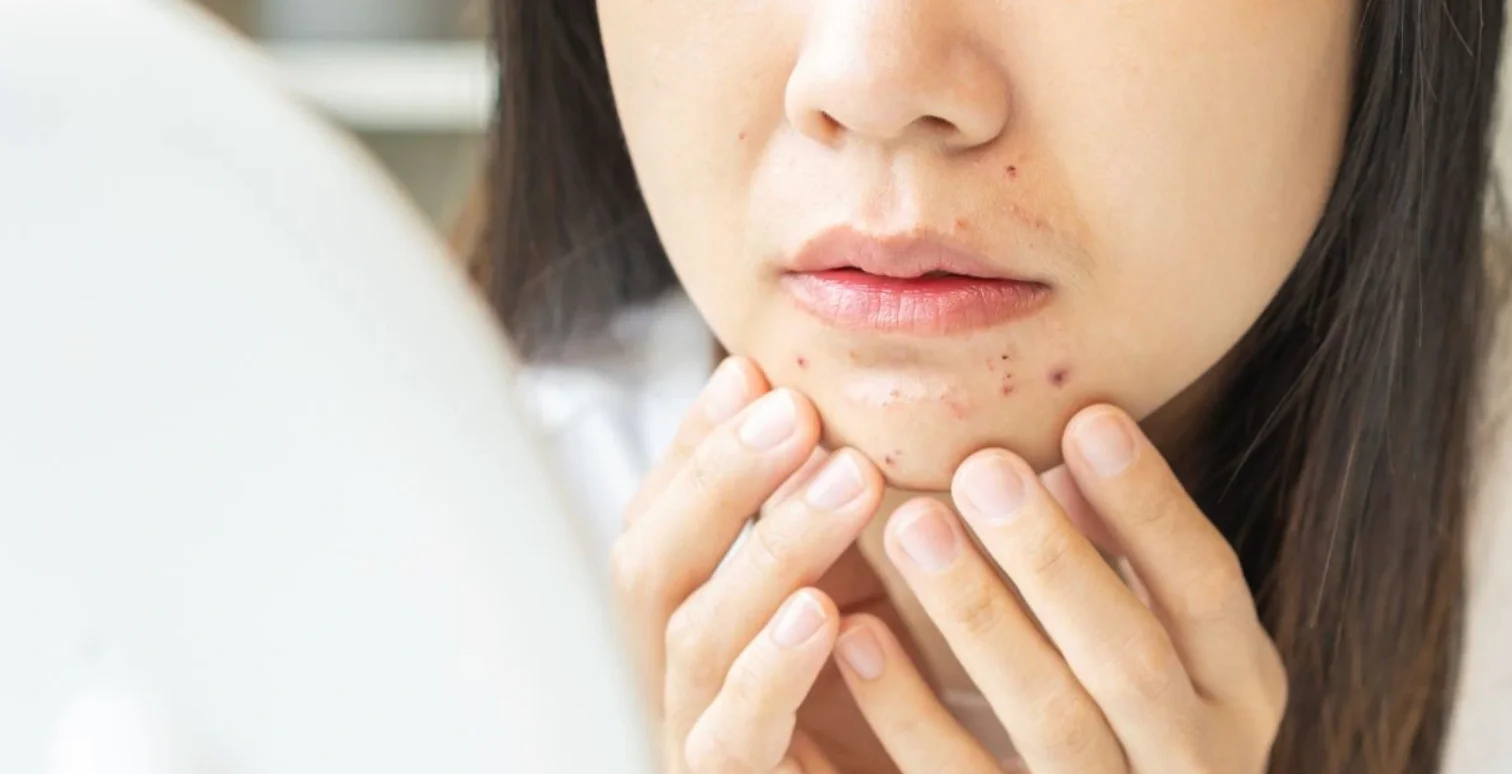
Acne scars often remain long after breakouts heal, serving as a frustrating reminder of past skin issues. They can appear as indentations, uneven texture, dark spots, or rough patches. Since acne scars vary, choosing the right treatment means understanding your specific scar type and which options are designed to address it. A one-size-fits-all plan won’t work. With proper guidance, however, improving your skin’s texture, tone, and appearance is achievable.
Understand the Different Types of Acne Scars
Not all acne scars are the same, and different types require different treatments. Some scars are depressed, sitting below the skin’s surface, and include ice pick, boxcar, and rolling scars. Other post-acne marks are not true textural scars but rather discoloration, such as dark spots or redness left after a breakout. This distinction is crucial because treatments for discoloration may not work on deep indentations, and vice versa. Understanding your specific scar type is the first step toward finding an effective solution. A skin assessment can clarify whether your main concern is texture, tone, or both, allowing you to tailor a treatment plan to your skin’s needs.
Consider Your Skin Type and Sensitivity
Everyone’s skin responds to treatment differently. Resilient skin may tolerate more intensive procedures, while sensitive skin needs a gentler approach. Skin tone is another important factor, as certain treatments carry a higher risk of irritation or discoloration for some individuals. A treatment that works well for one person may not be the best option for another, even if their scars appear similar. When choosing a treatment, you should consider your skin’s history, active acne, sensitivity, and even the local climate, as factors like dry air or sun exposure can affect healing. A good treatment plan should always include steps for protecting and supporting the skin afterward.
Look at the Most Common Treatment Options
There are several ways to improve the appearance of acne scars, each working differently. Some treatments focus on resurfacing the skin, while others stimulate collagen or target discoloration. Depending on the type and severity of your scarring, a provider might suggest a single treatment or a combination approach.
Common options include:
- Chemical peels: Improve surface texture and reduce post-acne discoloration.
- Microneedling: Supports collagen production and softens certain types of textured scars.
- Laser treatments: Can improve both skin tone and texture.
- Targeted procedures: Address deeper, more stubborn scars.
When exploring treatments, ask what each option is designed to improve. Some are better for shallow scars and uneven tone, while others are more effective for deeper texture concerns. Understanding the purpose of each method will help you set realistic expectations and make an informed decision.
Think About Downtime and Long-Term Commitment
Recovery time is an important but often overlooked factor. Some treatments require little to no downtime, while others may cause temporary redness, peeling, or sensitivity. Consider your schedule and comfort with aftercare when making your choice. Improving acne scars also takes time. Many treatments work gradually, and multiple sessions are often needed for noticeable changes. Scar revision is a process, not a one-time fix. If you prefer a subtle option with minimal interruption, gentler, long-term treatments may be best. If you’re comfortable with a more intensive recovery, you might consider more aggressive options.
Make Sure Active Acne Is Addressed First
It’s best to treat acne scars when active acne is under control. New breakouts can cause more scarring and complicate the treatment process, undermining your results. For this reason, many dermatologists recommend stabilizing your acne before beginning scar-focused treatments. This approach protects your progress and leads to better long-term outcomes. By calming breakouts first, your provider can focus on correcting existing marks without the setback of ongoing inflammation. While clearer skin and a smoother texture go hand in hand, the order of operations is crucial. Establishing a stable foundation makes scar revision far more effective.
Conclusion
There’s no single best treatment for every acne scar. The right choice depends on your scar type, skin condition, treatment goals, and how much downtime you can manage. A personalized plan often yields better results than choosing a treatment based on trends or general recommendations. For anyone considering acne scar treatment in Utah, understanding your skin’s specific needs is the best starting point. The most effective results come from a thoughtful approach that matches the treatment to the individual, not just the scar. Improving acne scars takes time, but the right plan can help restore smoother, healthier-looking skin. With patience, consistency, and professional support, you can make lasting progress and feel more confident in your skin.

Doris Pollard, a mesmerizing wordsmith and experienced blogger, crafts narratives that carry readers into unexplored realms. Infused with insightful perspectives and vibrant storytelling, Doris’s mastery of language captivates both hearts and minds, making an enduring impression on the literary landscape.