
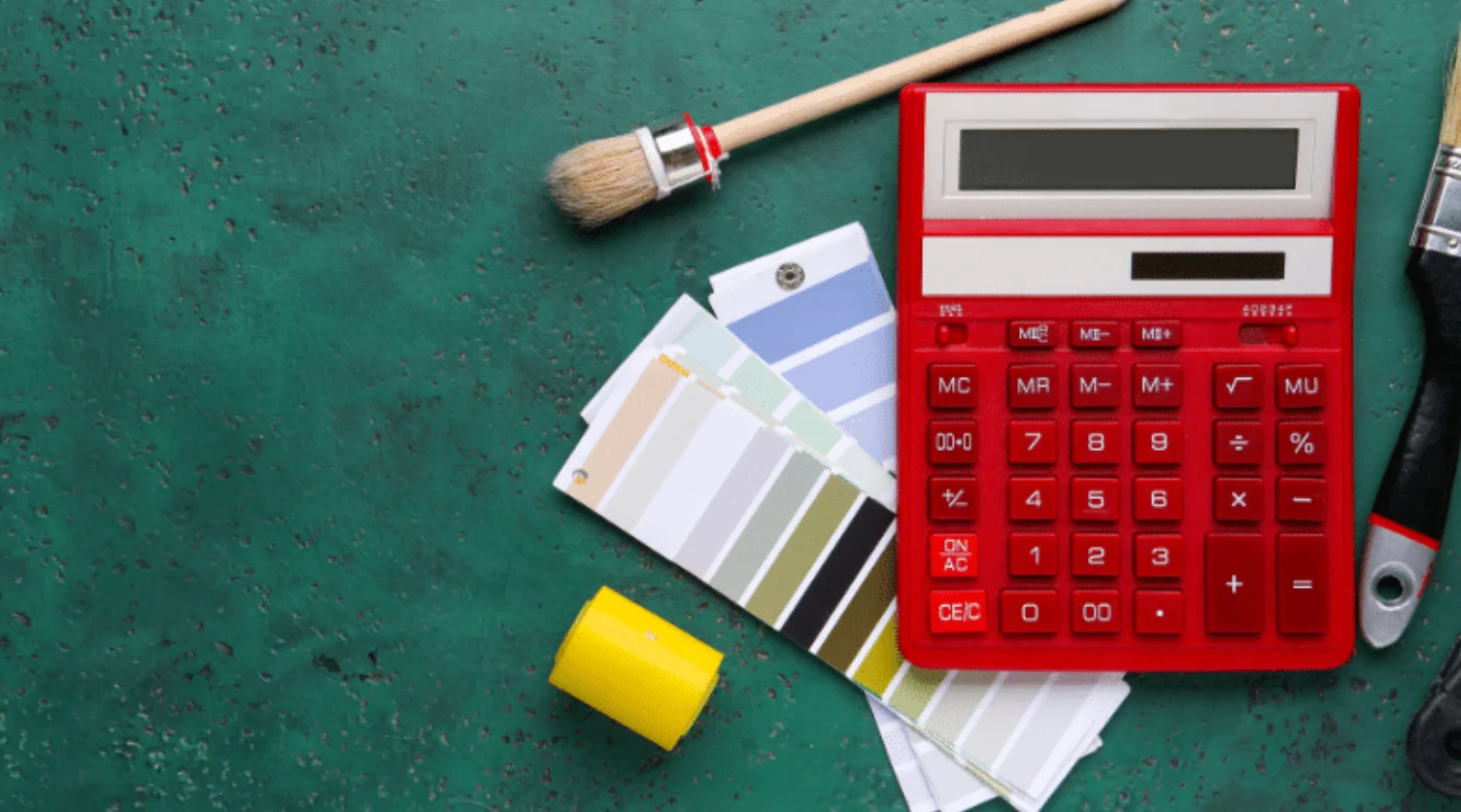
Painting your home is one of the most cost-effective ways to improve its appearance and protect surfaces from wear and damage. Whether you are updating a single room or repainting your entire house, understanding the cost involved helps you avoid surprises.
Many homeowners start painting projects without proper planning and end up overspending. This usually happens because they do not calculate the paint quantity, tools, or labor costs in advance. A simple estimate can save both time and money.
To make the process easier, many people use a paint cost calculator to get a quick estimate based on wall size and paint type. While this tool is helpful, it is still important to understand how the calculation works so you can make better decisions.
Why Estimating Paint Costs Matters?
Estimating paint costs is not just about knowing how much money you will spend. It also helps you manage the entire project more efficiently.
Avoid Overspending
Without a clear estimate, you may buy more paint than needed or choose expensive materials that are not necessary. Many people waste up to 10 to 20 percent of their budget due to poor planning. Estimating helps you stay within your financial limits and avoid unnecessary purchases.
Plan Your Budget
A proper estimate gives you a full picture of your expenses, including paint, tools, and labor. This allows you to allocate funds wisely and avoid stopping the project halfway due to a lack of money. Budget planning also helps you compare different paint options and choose what suits your needs.
Save Time and Effort
When you know exactly how much paint you need, you reduce the number of trips to the store. This saves time and ensures your project runs smoothly without delays. It also helps you complete the work in a planned timeline.
Key Factors That Affect Paint Costs
Several elements influence the total cost of painting. Understanding these factors helps you make accurate estimates.
Size of the Area
The total wall area is the biggest factor in determining paint cost. Larger homes or rooms require more paint and more time to complete. Even small increases in wall size can significantly raise the total cost.
Type of Paint
Paint comes in different qualities such as matte, satin, and gloss finishes. Higher-quality paints offer better coverage and durability but cost more. However, they may require fewer coats, which can reduce overall expenses in the long run.
Number of Coats
Most painting projects need at least two coats for a smooth and even finish. Dark colors or stained walls may need three coats, increasing both paint usage and labor time.
Surface Condition
Walls with cracks, holes, or rough textures require extra preparation. This may include sanding, filling, and applying primer. These steps increase both material and labor costs but are necessary for a professional finish.
Labor Costs
If you hire professionals, labor can account for 40 to 60 percent of the total cost. Prices vary depending on experience, location, and project complexity. Skilled painters may charge more but deliver better results.
How to Measure Your Walls Properly?
Accurate measurements are essential for estimating paint costs correctly. Even small errors can lead to buying too much or too little paint.
Step 1: Measure Wall Height and Width
Use a measuring tape to determine the height and width of each wall. Make sure to measure from floor to ceiling and from corner to corner for accuracy.
Step 2: Calculate Total Area
Multiply the height by the width of each wall to get the total square footage. Add the area of all walls together to find the total paintable surface.
Example:
10 ft height × 12 ft width = 120 square feet per wall
Step 3: Subtract Doors and Windows
Doors and windows do not need paint, so subtract their area from the total. This gives a more accurate estimate and prevents overbuying paint.
How Much Paint Do You Need?
After measuring your walls, the next step is to calculate how much paint is required.
Paint Coverage Basics
Most standard paints cover around 350 to 400 square feet per gallon. However, coverage can vary depending on surface texture and paint quality. Rough surfaces absorb more paint and reduce coverage.
Simple Formula
Divide the total wall area by the coverage rate of the paint. This gives you the number of gallons needed for one coat.
Example Calculation
- Total wall area: 800 sq ft
- Coverage: 400 sq ft per gallon
- Paint needed: 2 gallons per coat
For two coats, you will need 4 gallons. It is always a good idea to buy a little extra for touch-ups.
Estimating Paint Costs Step by Step
Once you know how much paint you need, you can calculate the total cost more accurately.
Step 1: Calculate Paint Quantity
Start by determining the total gallons required for your project. Include extra paint for multiple coats and future touch-ups.
Step 2: Check Paint Price
Paint prices vary widely depending on brand and quality. Lower-cost paints may save money upfront but often require more coats, which increases total cost.
- Basic paint: $15 to $25 per gallon
- Mid-range paint: $30 to $50 per gallon
- Premium paint: $60 or more per gallon
Step 3: Multiply Quantity by Price
Multiply the number of gallons by the cost per gallon to get the total paint expense. This gives you a clear idea of your main cost.
Step 4: Add Extra Supplies
Do not forget to include additional items such as brushes, rollers, trays, and protective sheets. These items may seem small but can add up quickly, especially for larger projects.
Using a Free Paint Calculator
A digital calculator simplifies the estimation process and reduces the chances of errors.
Benefits of Using a Calculator
Using a calculator allows you to enter your wall measurements and instantly get an estimate. It saves time and ensures accuracy, especially for beginners who are not familiar with manual calculations. It also helps you compare different paint options and budgets easily.
Cost Breakdown for Interior Painting
Interior painting costs are usually lower than exterior projects, but they still include several components.
Paint Cost
Paint is the largest expense and depends on quality, color, and finish. Lighter colors may require fewer coats, while darker shades often need more paint.
Primer Cost
Primer is important for better adhesion and smooth results. It also helps cover stains and old paint. Skipping primer may lead to uneven color and higher paint usage.
Tools and Supplies
Basic tools such as brushes, rollers, and tape are necessary for a clean finish. Investing in good-quality tools improves efficiency and reduces paint waste.
Labor Cost
Hiring professionals increases the total cost but ensures a high-quality finish. Labor charges depend on room size, wall condition, and design complexity.
Cost Breakdown for Exterior Painting
Exterior painting requires more preparation and durable materials, making it more expensive.
Higher Paint Quality
Exterior paint must resist weather conditions such as rain, heat, and dust. This makes it more expensive than interior paint but also more durable.
Surface Preparation
Exterior walls often need cleaning, scraping, and repairs before painting. This adds to the total cost but is necessary for long-lasting results.
Safety Equipment
Painting outside may require ladders, scaffolding, or safety gear. These tools increase cost but are essential for safe and efficient work.
Tips to Reduce Paint Costs
You can lower your painting expenses by following smart strategies.
Choose the Right Paint
Selecting mid-range paint often provides the best balance between cost and quality. It offers good coverage and durability without being too expensive.
Buy in Bulk
Buying larger containers reduces the cost per gallon. This is especially useful for big projects where you need a large amount of paint.
Do It Yourself
DIY painting eliminates labor costs and gives you full control over the project. However, it requires time, effort, and basic skills.
Prepare Surfaces Properly
Proper preparation reduces the need for extra coats and ensures better paint adhesion. Clean and smooth walls help achieve a professional finish.
Common Mistakes to Avoid
Avoiding common mistakes can save money and improve your results.
Ignoring Primer
Skipping primer may seem like a cost-saving step, but it often leads to uneven coverage and higher paint usage.
Underestimating Paint Quantity
Buying less paint than needed can delay your project and increase costs due to repeated purchases.
Choosing Low-Quality Tools
Cheap tools can cause streaks and uneven finishes. Investing in good tools improves efficiency and overall quality.
Sample Paint Cost Estimate
Here is a simple example to help you understand how to estimate costs.
Room Size
- 12 ft × 12 ft room
- Wall height: 10 ft
Total Wall Area
(12 × 10) × 4 = 480 sq ft
Paint Needed
480 ÷ 400 = 1.2 gallons per coat
For 2 coats = about 2.5 gallons
Cost Estimate
- Paint: 3 gallons × $35 = $105
- Supplies: $50
- Total: $155
This example shows how small projects can be completed on a reasonable budget with proper planning.
When Should You Hire a Professional?
In some cases, hiring a professional painter is the best option.
Large Projects
Painting large homes or multiple rooms can be time-consuming and physically demanding. Professionals can complete the work faster and more efficiently.
Complex Surfaces
Walls with textures, patterns, or high ceilings require special skills and tools. Professionals can handle these challenges with ease.
Time Constraints
If you have a tight schedule, hiring experts ensures the project is completed on time without compromising quality.
FAQs
How much paint do I need for one room?
Most rooms need 2 to 4 gallons for two coats depending on size.
What is the average cost to paint a house?
It usually ranges from $1,000 to $5,000 based on size and labor.
Can I paint without primer?
Yes, but primer improves coverage and durability.
How long does paint last on walls?
Good quality paint can last 5 to 10 years.
Is DIY painting cheaper than hiring professionals?
Yes, DIY saves labor costs but requires time and effort.
How can I reduce paint costs?
Choose mid-range paint, buy in bulk, and prepare surfaces properly.
Final Thoughts
Estimating paint costs is a simple process when you break it down into steps. Measure your walls, calculate the paint needed, and include all additional expenses such as tools and labor. Planning ahead helps you avoid unexpected costs and ensures a smooth painting experience. You can also explore more home improvement tips and guides to make smarter decisions for your projects.
With the right approach and tools, you can achieve professional results while staying within your budget.

Doris Pollard, a mesmerizing wordsmith and experienced blogger, crafts narratives that carry readers into unexplored realms. Infused with insightful perspectives and vibrant storytelling, Doris’s mastery of language captivates both hearts and minds, making an enduring impression on the literary landscape.