
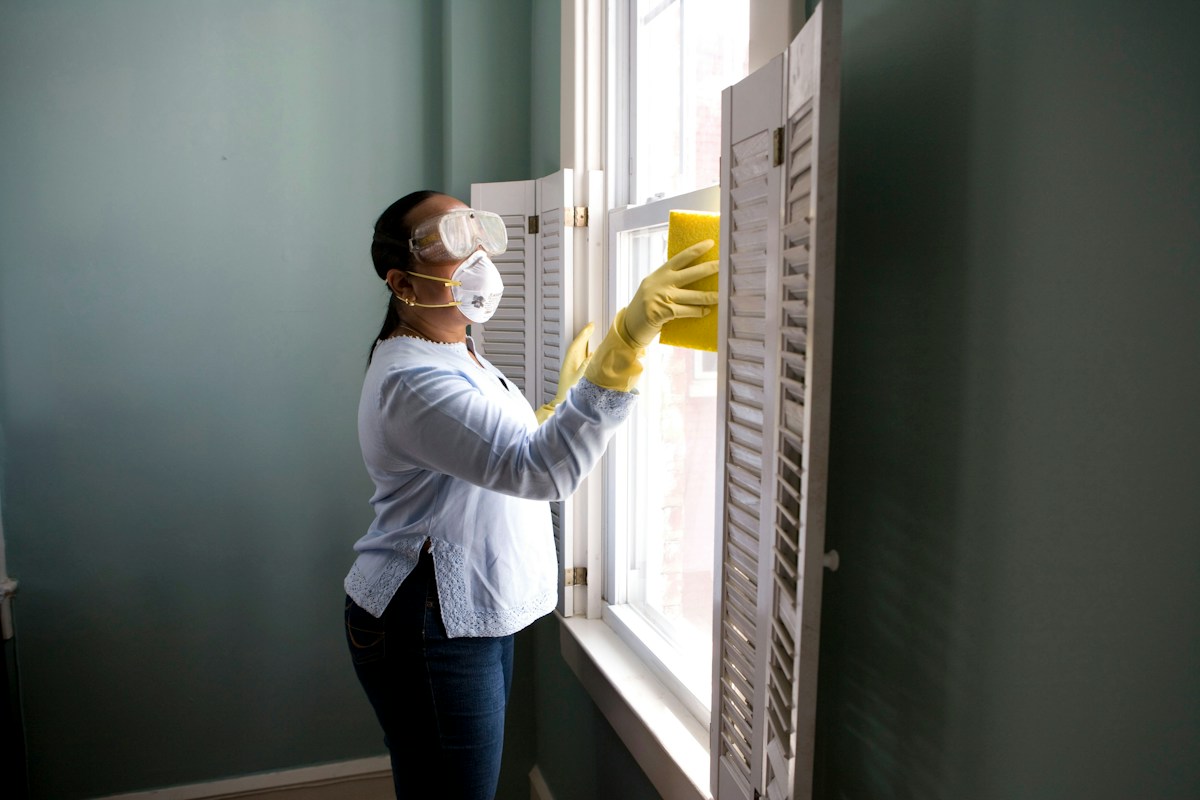
A short-term rental cleaning service prepares a holiday home, apartment or guest suite between reservations, often within a short check-out and check-in window. A dependable turnover covers more than visible tidying: it includes linen handling, bathrooms, kitchens, rubbish, supplies and a final condition check. This guide explains how hosts can define the scope, compare providers and maintain consistent standards.
What a short-term rental cleaning service does
A short-term rental cleaning service prepares a property after one guest leaves and before the next one arrives. A standard turnover may include removing rubbish, checking for forgotten belongings, changing beds, laundering or replacing towels, cleaning bathrooms and kitchen surfaces, dusting, vacuuming, mopping and replenishing agreed supplies. The exact scope depends on the property, guest capacity, amenities and booking schedule. It is more structured than a general domestic clean because the work has a firm deadline and must meet a repeatable guest-ready standard. Hosts should define every task before asking for a quote.
Why turnover cleaning is different from domestic cleaning
A recurring household clean may be scheduled around a resident’s preferences and can leave personal items in place. A rental turnover must reset the space to a consistent standard for someone who has never visited before. The cleaner needs to identify missing items, inspect for damage, separate used linen from clean stock and report maintenance issues. There may be no opportunity to return the next day if the next booking arrives. A written checklist, agreed access process and backup plan are therefore essential. Cleaners should know which rooms and outdoor areas are included and what to do when a guest leaves the property in unusually poor condition.
Build a written scope of work
Start by listing each room and the required tasks. Specify whether the cleaner must wash dishes, clean inside appliances, change all bedding, restock toiletries, remove recycling, sweep balconies or prepare a hot tub. State whether windows, ovens, laundry and deep-cleaning tasks are included or charged separately. Include the required completion time, access instructions and method for reporting damage. A scope that says only “clean the apartment” leaves too much open to interpretation. A detailed list protects the host and the provider by setting a measurable standard for each turnover.
Entry, hallway and first impression
The entrance sets the guest’s first impression. Remove visible rubbish, clean the mat, wipe door handles and switches, check mirrors and remove dust from accessible surfaces. Vacuum or mop the floor and make sure there are no unpleasant odours. Confirm that keys, access cards or smart-lock instructions are ready as directed by the host. Keep emergency exits and corridors free of stored items. Report loose handrails, burnt-out lights, damaged flooring or a door that does not latch. These checks are part of property readiness, not merely appearance.
Bedroom cleaning and linen rotation
Strip used bedding and place it in a designated laundry bag or container. Inspect mattress protectors, pillows and duvets for stains, damage and unusual odours. Make each bed using the agreed linen arrangement and check that the right sizes are fitted. Dust headboards, lamps, bedside tables and accessible shelving. Clean mirrors and switches, remove rubbish and vacuum floors under accessible furniture. Keep clean and used linen physically separate. A property with frequent bookings should maintain enough reserve sets to cover laundry delays, damaged items and unexpected back-to-back reservations.
Bathroom cleaning standards
Bathrooms require particular attention to toilets, basins, taps, shower controls, screens, mirrors and floors. Remove hair and visible residue, replace towels and replenish only the products agreed with the host. Use equipment designated for bathroom cleaning and avoid using the same cloth on toilet surfaces and food-preparation areas. Follow the label on each cleaning product and allow any required contact time. Report leaks, blocked drains, loose fixtures, mould, damaged sealant or poor ventilation. A clean bathroom should be dry, fresh and free of visible residue when the guest arrives.
Kitchen reset and food safety
Remove leftover food according to the host’s policy, empty rubbish and recycling, wash dishes or load the dishwasher if included, and clean counters and sinks. Wipe appliance handles and exteriors, check the fridge for spills and clean the microwave. Oven interiors and deep appliance cleaning may be separate services, so clarify the scope. Use products suitable for food-contact surfaces and follow their label instructions about rinsing. Replace dish cloths and sponges according to the agreed hygiene standard. Check that bins are clean and lined, and report damaged cookware or missing kitchen equipment.
Living areas, floors and furniture
Dust tables, shelves, lamps, remote controls and other frequently touched items. Check sofas for crumbs, stains and guest belongings; vacuum upholstery if included. Clean electronic screens only with appropriate products and never spray liquid directly onto them. Vacuum rugs and carpets, then mop hard floors using a product suitable for the material. Arrange furniture consistently so missing or damaged items are easier to notice. Check beneath cushions and in visible storage areas for lost property. Follow the host’s procedure for photographing and securing items left behind.
Cleaning versus sanitising and disinfecting
Cleaning removes dirt and many germs through detergent, water and physical action. Sanitising reduces germs to a specified level, while disinfecting uses products intended to kill particular microorganisms on surfaces. The CDC cleaning and disinfecting guidance explains that routine cleaning is sufficient in many home situations, while disinfection may be appropriate in certain circumstances. Hosts and cleaners should follow current public-health guidance, product labels, surface compatibility and required contact times. Never mix cleaning chemicals, and store them safely away from guests, children and pets.
Laundry, linen and towel inventory
Agree whether laundry is completed on site, taken to a service or managed using pre-cleaned replacement sets. Calculate how many complete sets are needed for every bed and bathroom, including reserve stock for unexpected stains or delays. Label linen by property and bed size to prevent sets from being mixed between locations. Clean items should be fully dry before storage to avoid odours. Track worn towels and sheets and remove damaged pieces from rotation. If a cleaner purchases replacement supplies, agree spending limits, receipts and who approves new inventory.
Restocking guest essentials
Create a par-level list for items such as toilet paper, hand soap, bin liners, washing-up liquid, dishwasher tablets and basic guest amenities. The cleaner should record what was used and what needs replenishment instead of making assumptions. Keep backup stock in a locked owner cupboard or another agreed location. Decide whether the service fee includes the supplies or only the labour. If the cleaner buys products, agree approved brands, receipt handling and a maximum spend. A consistent restocking system prevents empty dispensers and avoids over-purchasing items guests may never use.
Final quality inspection
The final inspection checks whether the property is genuinely ready, not merely whether the cleaning tasks have been completed. Inspect beds, bathroom fixtures, counters, floors, bins, lighting, heating or cooling controls, windows and guest essentials. Confirm that doors lock and access information is ready. Photograph any damage, missing equipment or maintenance concerns and send the report to the host. Cleaners should not attempt repairs outside their agreed role. If a key task cannot be completed before check-in, notify the host immediately instead of marking the turnover as finished.
How cleaning services charge
A cleaning provider may price by property size, number of bedrooms and bathrooms, guest capacity, labour time, laundry volume, travel distance and service frequency. Urgent or same-day turns may carry extra charges. Some businesses use a fixed changeover fee; others charge hourly or quote separately for laundry, restocking and deep cleaning. Ask for a schedule of inclusions and exclusions. A low headline fee may not cover oven interiors, windows, linen washing, restocking, parking or travel. Compare the total cost for the same scope rather than comparing rates that include different tasks.
Choosing an experienced rental cleaner
Look for experience with short-term rental turnovers, references, appropriate business insurance, reliable staffing and a clear quality-control process. Ask who enters the property, how keys and access codes are protected and how last-minute changes are handled. Confirm the backup arrangement when a cleaner is ill or delayed. The written service agreement should cover price, payment, linen responsibility, supplies, cancellation, privacy, photographs, damage reporting and urgent contact methods. A provider that asks detailed questions about the property before quoting is often more prepared than one that promises a fixed price without understanding the job.
Scheduling between check-out and check-in
The available cleaning window may be only a few hours. Build in time for late departures, laundry, travel, maintenance visits and unexpected cleaning needs. Do not schedule two properties so tightly that one delayed guest makes the next arrival impossible. Hosts should communicate check-out rules to guests and ensure the cleaner has the correct booking calendar. If the property is left much dirtier than the agreed standard, the cleaner should report it and obtain approval before adding extra time or charges. Keep a backup plan for peak weekends and holiday periods.
Safety, access and property protection
Cleaners should use suitable footwear and protective equipment where required, ventilate rooms and store chemicals in labelled containers. Never mix bleach with ammonia, acids or other cleaning products. Use a stable step stool instead of standing on chairs, and report broken glass, needles, pest activity, electrical faults or structural damage without handling hazards unnecessarily. Hosts should provide safe access, functioning equipment and clear instructions about alarms, appliances and restricted areas. Key codes and guest details should be shared only with staff who need them and removed when no longer required.
Digital reporting and communication
A shared calendar or property-management system can help cleaners see check-out and arrival times, access instructions and property-specific tasks. Keep access codes and guest personal information in an appropriately protected system rather than an unsecured group chat. A completion report can record the cleaner, finish time, supplies used, maintenance issues and photographs of exceptions. The Airbnb host preparation guidance can help hosts think through guest-ready details, but each property still needs its own checklist based on actual amenities and local requirements.
When to schedule a deep clean
Routine turnover cleaning does not replace periodic deep cleaning. Depending on occupancy, property size and materials, hosts may schedule detailed work on grout, upholstery, mattresses, curtains, vents, baseboards, appliance interiors and areas behind furniture. Plan these jobs during lower-demand periods or after an agreed number of stays. Track maintenance tasks such as filter replacement, descaling and pest inspections separately from normal turnover duties. A deep-clean calendar prevents small problems from accumulating until they require a costly repair or a last-minute closure.
A service specification hosts can use
A useful specification lists the rooms, required tasks, linen process, restocking levels, price, access method, completion deadline, insurance and reporting standard. It should say whether laundry, oven cleaning, inside-fridge cleaning, windows, balconies, outdoor furniture and hot tubs are included. Include the procedure for guest belongings, maintenance faults and excessive mess. Test the provider with a trial turnover and inspect the results against the written list. For more property operations topics, explore our Real Estate guides or read about property and building planning.
Frequently asked questions
Does every short-term rental cleaning service include laundry? No; laundry and linen replacement should be stated in the quote. Is disinfection required after every guest? Not necessarily; follow current public-health guidance and use disinfectants where appropriate. Should the cleaner report damage? Yes, a written reporting procedure and photographs of exceptions should be part of the scope. Can the service restock supplies? It can, but the host should define products, quantities, budget and receipt procedures.
Conclusion
A reliable short-term rental cleaning service works from clear room-by-room standards, a dependable linen process, realistic scheduling and prompt reporting. Define what is included, agree on access and supplies, inspect the work and review the service after the first few bookings. The goal is a consistent guest-ready property and a safer, more predictable operation. Explore our Real Estate guides for more property topics.
For related reading, explore Real Estate guides and property and building planning.
Frequently asked questions
Does a rental cleaning service include laundry?
Not automatically. The linen and laundry workflow should be included explicitly in the service quote.
Is disinfecting needed after every guest?
Not necessarily. Routine cleaning is important; use disinfectants according to current guidance and the product label.
Should cleaners report damage?
Yes. The scope should include a prompt reporting process and photographs of exceptions.
Conclusion
A reliable short-term rental cleaning service works from clear room-by-room standards, a dependable linen process, realistic scheduling and prompt reporting. Define what is included, agree on access and supplies, inspect the work and review the service after the first few bookings. The goal is a consistent guest-ready property and a safer, more predictable operation. Explore our [Real Estate guides] for more property topics.

Doris Pollard, a mesmerizing wordsmith and experienced blogger, crafts narratives that carry readers into unexplored realms. Infused with insightful perspectives and vibrant storytelling, Doris’s mastery of language captivates both hearts and minds, making an enduring impression on the literary landscape.