
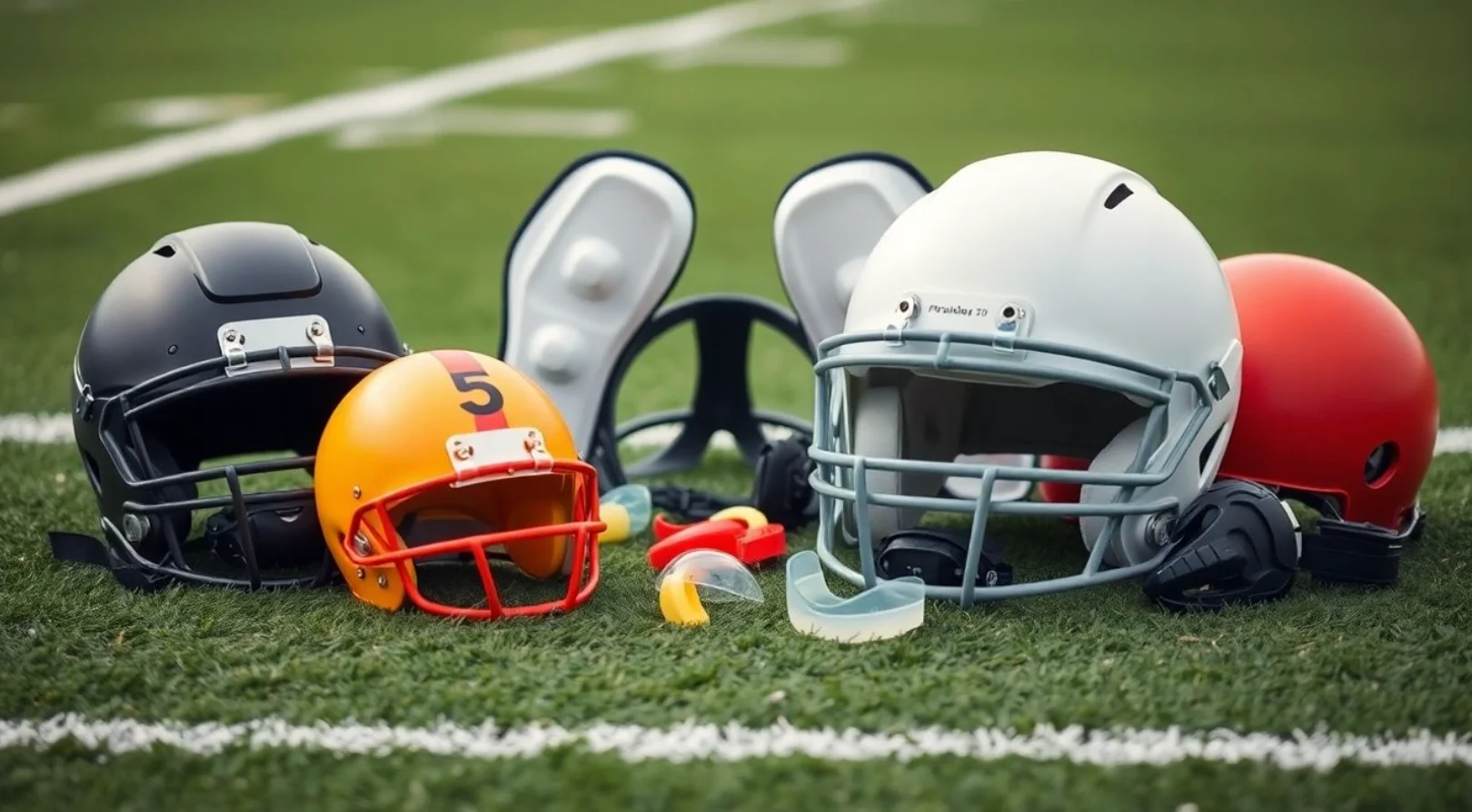
Youth athletics provide a foundation for physical health, social interaction, and team discipline. Parents and coaches spend a significant amount of time ensuring that participants are equipped with the latest footwear, moisture-wicking jerseys, and high-impact helmets. However, despite the rigorous attention paid to external protection, one of the most vulnerable areas of the body is often left completely exposed to injury. The face and jaw are frequently the site of preventable trauma that can lead to lifelong dental complications and high medical costs.
The Reality of Facial Impact in Youth Sports
Every year, millions of student athletes participate in organized leagues ranging from soccer and basketball to martial arts and football. Statistics from dental health organizations suggest that a large percentage of all dental injuries are related to sports activities. An accidental elbow to the face during a basketball rebound or a stray ball in a baseball game can instantly fracture a tooth or cause a deep laceration to the lips and tongue.
Unlike a bruised muscle or a scraped knee, dental injuries are rarely temporary. A lost or broken permanent tooth requires extensive restorative work that may include root canals, crowns, or even dental implants. These procedures are not only painful for the child but also place a heavy financial burden on the family over the course of the child’s life.
Beyond the Protection of Teeth
While the most obvious benefit of oral protection is shielding the teeth from direct impact, the advantages extend much further into the underlying anatomy of the jaw. A well-designed protective insert acts as a shock absorber for the entire lower face. When a blow is delivered to the chin or the side of the face, the force is typically transferred through the jawbone directly into the skull.
By providing a resilient cushion between the upper and lower teeth, a high-quality sports mouth guard helps to redistribute the energy of an impact. This cushioning effect can reduce the risk of jaw fractures and may help limit the severity of soft tissue injuries. Without this buffer, the lower teeth can be driven into the upper teeth with enough force to cause multiple fractures or even structural damage to the jaw joint.
Soft Tissue Protection and Laceration Prevention
One of the most painful injuries on the field involves the soft tissues of the mouth. For children who wear orthodontic braces, the risk is even higher. In the event of a collision, the metal brackets and wires of braces can act like cheese graters against the sensitive inner lining of the cheeks and lips.
Protective oral gear creates a smooth barrier that prevents the teeth and orthodontic hardware from cutting into the soft flesh. This significantly reduces the likelihood of emergency room visits for stitches. By keeping the lips away from the teeth during a collision, the athlete can avoid the traumatic “busted lip” that often halts play and requires immediate medical attention.
Choosing Between Different Levels of Protection
Not all oral protection is created equal, and the level of safety often depends on how well the device fits the unique contours of the child’s mouth. Generic, pre-formed inserts are available at most sporting goods stores, but they often feel bulky and can interfere with a child’s ability to breathe or speak clearly. If a device is uncomfortable, an athlete is much more likely to “lose” it in their gym bag or keep it in their pocket during play.
A better middle ground is the “boil and bite” variety, which is softened in hot water and then molded to the teeth. For the highest level of safety, however, professional dental impressions provide a custom fit that remains securely in place even during intense physical activity. A custom-fitted device allows the child to communicate with teammates and drink water without having to constantly adjust or remove the protection.
Establishing a Culture of Safety
The best way to ensure a child remains protected is to make oral safety a non-negotiable part of their uniform. Just as a soccer player would never take the field without shin guards, an athlete should feel that their equipment is incomplete without dental protection. Coaches and parents play a vital role in modeling this behavior and checking gear before every practice and game.
It is also important to inspect the equipment regularly for signs of wear. Children often chew on their protective inserts when they are nervous or sitting on the sidelines, which can cause the material to thin out and lose its effectiveness. Replacing the device every season or when it shows signs of deterioration ensures that the level of protection remains optimal.
A Long Term Investment in Health
The cost of a protective dental insert is negligible when compared to the thousands of dollars required for emergency dental surgery or orthodontic repair. By prioritizing this simple piece of equipment, parents can focus on cheering for their children rather than worrying about the next collision. Ensuring your child is fully protected from head to toe allows them to play with confidence and keeps their smile intact for years to come.

Doris Pollard, a mesmerizing wordsmith and experienced blogger, crafts narratives that carry readers into unexplored realms. Infused with insightful perspectives and vibrant storytelling, Doris’s mastery of language captivates both hearts and minds, making an enduring impression on the literary landscape.