
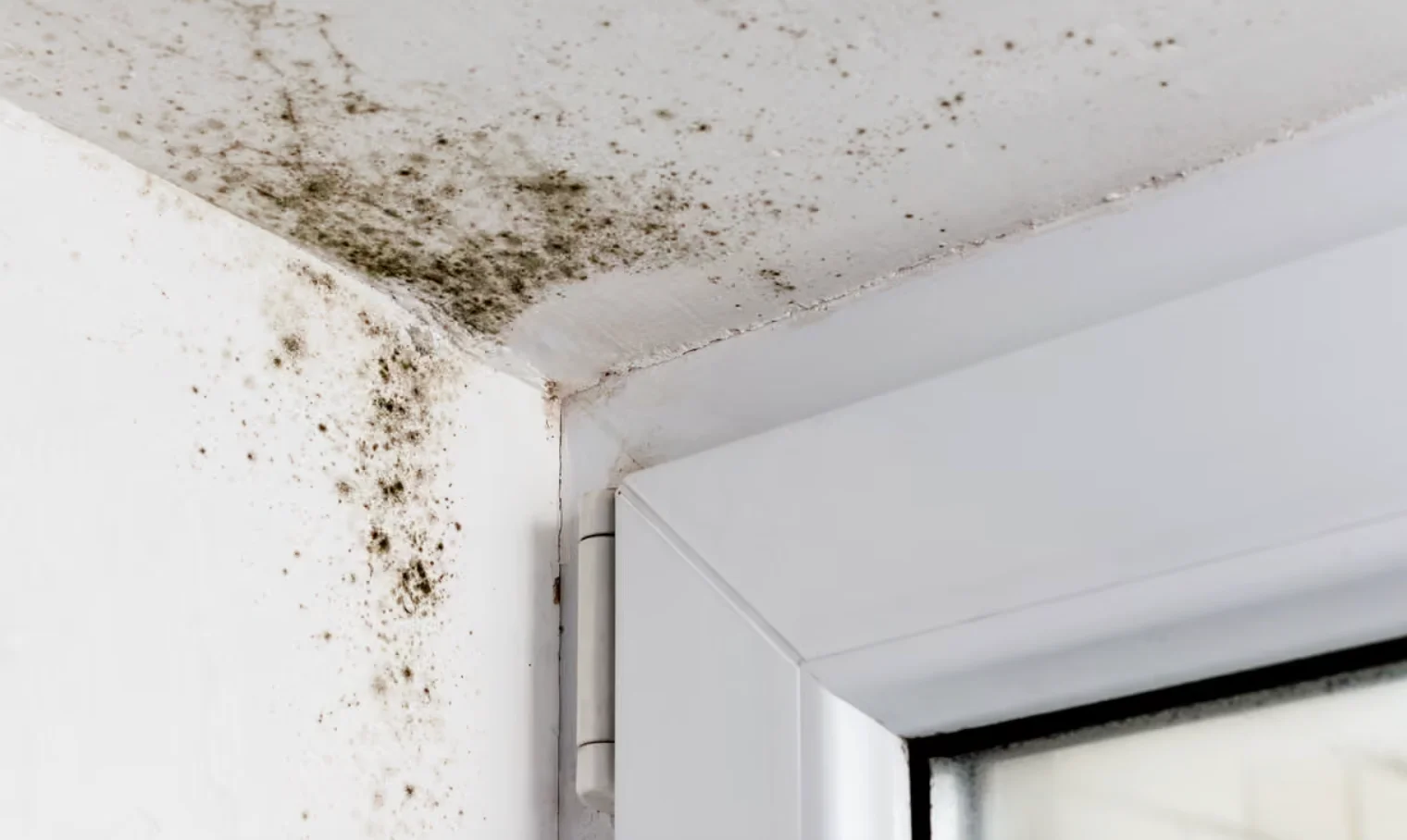
Discovering mold in your house can lead to property damage and health issues. Mold requires oxygen, a food source (like drywall), and moisture to grow. Since oxygen and food sources are always present in a home, controlling moisture is the key to preventing mold. This guide will explain the common causes of indoor mold and provide actionable steps to keep your home mold-free.
Why Moisture is the Main Culprit?
Microscopic mold spores float through the air constantly, both indoors and outdoors. These dormant spores are generally harmless until they land on a damp surface. Once introduced to moisture, they begin to germinate and grow within 24 to 48 hours.
Water acts as the catalyst for the entire life cycle of indoor fungi. Without it, mold simply cannot survive. Therefore, controlling indoor moisture levels is the single most effective way to prevent fungal infestations from taking root in your home.
High-Risk Zones in Your Home
Certain rooms naturally experience more water usage and temperature fluctuations than others. Knowing where to look helps you catch early signs of trouble.
Bathrooms
Hot showers generate massive amounts of steam that settles on walls, ceilings, and tile grout. If the bathroom lacks a strong exhaust fan, this daily moisture accumulation creates a perfect environment for mildew and mold to flourish.
Kitchens
Boiling water, washing dishes, and running the dishwasher all release moisture into the air. Spills that seep under cabinets or behind appliances can also remain damp for extended periods, encouraging hidden fungal growth.
Basements
Basements sit below ground level, making them prone to groundwater seepage through the foundation. They also tend to be cooler, which encourages condensation when warm air enters the space. The combination of poor airflow and constant dampness makes basements notorious for severe mold problems.
The Danger of Poor Ventilation and High Humidity
Even without direct water spills, high indoor humidity provides enough moisture to sustain mold. When relative humidity exceeds 60%, the air holds so much water vapor that fungi can pull what they need directly from the atmosphere.
Poor ventilation traps this humid air inside. Without a steady exchange of fresh outdoor air, condensation forms on cold surfaces like windows, exterior walls, and air conditioning vents. Opening windows regularly and running ceiling fans can drastically reduce the amount of stagnant, moist air lingering in your home.
Hidden Leaks and Burst Pipes
Sometimes, the source of the moisture is entirely invisible. A slow drip from a plumbing joint inside a wall cavity might go unnoticed for months. By the time a water stain appears on the drywall, an extensive fungal colony has likely already formed behind it.
Roof leaks and poorly sealed windows also allow rainwater to penetrate the building envelope. Water flows along the path of least resistance, pooling in insulation, floorboards, and ceiling joists. Regularly checking your water bill for unexplained spikes and inspecting your attic after heavy storms can help you catch these issues before they escalate.
How to Maintain a Mold-Free Environment?
Keeping your home safe requires consistent habits and routine maintenance. Here are the most effective strategies to prevent fungal growth:
- Monitor Humidity Levels: Purchase an inexpensive hygrometer to track indoor moisture. Aim to keep relative humidity between 30% and 50%.
- Use Dehumidifiers: Place dehumidifiers in damp areas like basements and crawl spaces to extract excess moisture from the air.
- Fix Leaks Promptly: Repair dripping faucets, leaky pipes, and damaged roof shingles as soon as you notice them.
- Improve Airflow: Ensure your clothes dryer vents outside. Run exhaust fans in the bathroom for at least 30 minutes after showering, and use the range hood while cooking.
- Dry Wet Materials: If a spill or minor flood occurs, dry the affected area thoroughly within 48 hours to prevent spores from germinating.
Cleaning Mold: DIY Methods vs. Professional Help
When you finally spot mold, you must decide how to tackle it. Minor surface mold on non-porous materials like bathroom tiles or glass is usually easy to manage. You can scrub these small spots away using a mixture of water and dish soap, or white vinegar. Make sure to wear gloves and a standard dust mask to avoid inhaling spores during the cleaning process.
However, large outbreaks require a different approach. If the mold covers an area larger than 10 square feet, or if it has penetrated porous materials like drywall and carpeting, DIY cleaning will not be enough. Scrubbing dry mold can release millions of spores into the air, spreading the problem to other rooms.
In these severe cases, hiring trained experts is the safest choice. For example, if you are dealing with a flooded basement, contacting reputable mold removal services in Salt Lake City ensures the infestation is contained and eradicated using commercial-grade equipment. Professionals can also identify the underlying moisture source, helping you fix the root cause so the fungi never return.
Conclusion
To keep your home healthy, you need to manage moisture. Poor ventilation, high humidity, and water leaks all contribute to mold. To protect your property, you should regularly inspect high-risk areas, fix plumbing issues right away, and call experts for large outbreaks. These steps will help keep your indoor air clean and safe.

Doris Pollard, a mesmerizing wordsmith and experienced blogger, crafts narratives that carry readers into unexplored realms. Infused with insightful perspectives and vibrant storytelling, Doris’s mastery of language captivates both hearts and minds, making an enduring impression on the literary landscape.