
Introduction
The field of lie detection and investigative interviewing has grown significantly over the years, creating new opportunities for professionals interested in security, investigations, and behavioral analysis. As organizations continue to focus on safety, fraud prevention, and employee screening, the demand for skilled polygraph examiners has steadily increased. This growing demand has also increased interest in polygraph schools and professional polygraph training programs that prepare students for careers in the industry. Certified training is considered one of the most important steps for anyone who wants to become a professional examiner because it provides the technical knowledge, ethical understanding, and practical skills needed for success.
Many people are curious about how polygraph examiners are trained and what kind of education is required to enter the profession. Polygraph schools are designed to teach students how to conduct examinations, analyze responses, understand human psychology, and prepare professional reports. Choosing the right training program can have a major impact on future career opportunities, earning potential, and long-term professional development. Understanding the structure of these programs and the careers available after certification can help students make informed decisions about their future.
Understanding Polygraph Schools and Professional Training
Polygraph schools are specialized institutions that provide education and practical instruction in lie detection and forensic interviewing techniques. These schools focus on preparing students to use polygraph instruments professionally and responsibly in different environments, including law enforcement agencies, private investigation firms, corporate security departments, and government organizations. Polygraph training combines both theoretical learning and practical exercises to ensure students gain real-world experience before entering the workforce.
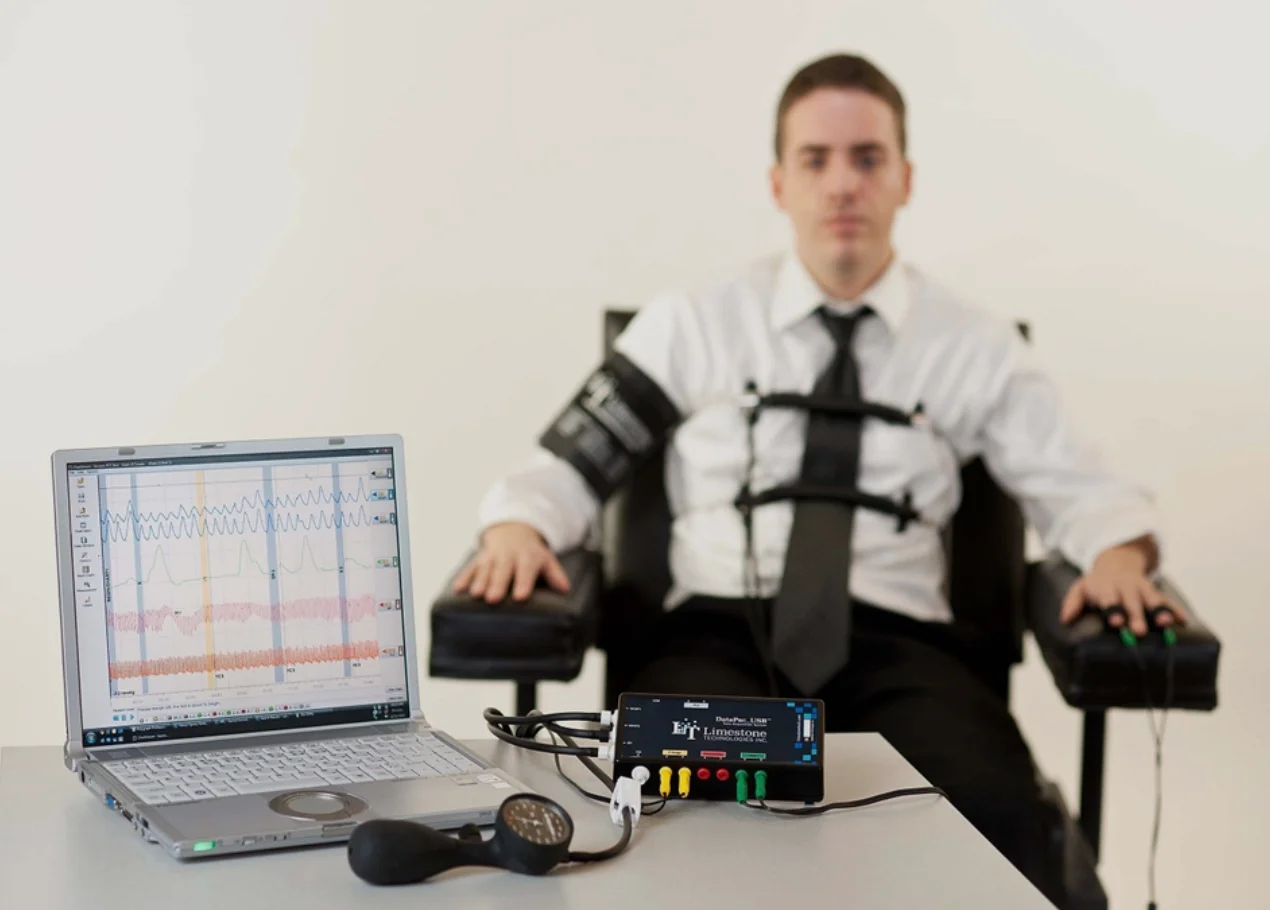
Most training programs include detailed lessons on physiology, psychology, interviewing methods, ethics, legal procedures, and chart interpretation. Students learn how the body responds to stress and deception and how those responses can be measured during examinations. In addition to classroom instruction, many schools also provide supervised field practice where students conduct mock examinations and analyze case studies. This hands-on approach is important because polygraph examination requires both technical ability and strong communication skills.
Professional certification is often considered essential in this field because employers prefer candidates who have completed recognized training programs. Certification demonstrates that an examiner has received proper education and understands industry standards and ethical responsibilities. It also increases credibility and improves job prospects for graduates entering competitive professional environments.
Features of Leading Polygraph Schools
Not all training programs provide the same quality of education, which is why students must carefully evaluate their options before enrolling. Leading polygraph schools are known for their experienced instructors, updated training methods, practical instruction, and recognized certifications. Many top institutions employ instructors with backgrounds in law enforcement, criminal investigations, intelligence services, or private security, allowing students to learn from professionals with real industry experience.
Another important feature of quality polygraph training programs is hands-on learning. The best schools understand that students need practical experience to develop confidence and professional skills. Training often includes live demonstrations, simulated interviews, chart analysis sessions, and supervised testing procedures. This practical exposure helps students understand how real examinations are conducted in professional settings.
Modern training technology is another factor that separates high-quality schools from average programs. Advanced polygraph instruments and computerized systems are commonly used in today’s industry, so students should learn how to operate updated equipment during their education. Schools that provide access to modern tools help students adapt more easily to professional work environments after graduation.
Flexible learning options have also become more common in recent years. Some polygraph schools offer hybrid learning programs that combine online theory classes with in-person practical training sessions. This flexibility allows working professionals and international students to pursue education without relocating permanently.
Subjects Covered in Polygraph Training Programs
Polygraph training programs are designed to provide a complete understanding of both the technical and human aspects of the profession. One of the main subjects taught during training is interview and interrogation techniques. Students learn how to communicate effectively, establish trust with examinees, and ask questions in a structured and professional manner. Communication is one of the most valuable skills in the field because the quality of an interview can directly affect the accuracy of the examination.
Students also study psychology and behavioral analysis to better understand human emotions, stress responses, and deceptive behavior. This knowledge helps examiners interpret reactions more accurately during testing procedures. In addition, training programs include lessons on physiology, which explains how breathing patterns, heart rate, and skin conductivity change during stressful situations.
Ethics and legal responsibilities are another major part of professional training. Polygraph examiners must follow strict ethical standards to protect the rights and privacy of individuals being tested. Training programs teach students how to maintain professionalism, confidentiality, and fairness during examinations. Understanding legal procedures is equally important because examiners often work in sensitive situations involving criminal investigations, employment screening, or security matters.
Students are also trained in report writing and case documentation. Professional reports must be clear, accurate, and well organized because they may be reviewed by employers, investigators, attorneys, or government officials. Developing strong documentation skills is essential for long-term career success.
Career Opportunities After Certified Polygraph Training
Graduates of polygraph schools can pursue careers in several different industries. One of the most common career paths is working with law enforcement agencies. Police departments, criminal investigation units, and correctional institutions often use polygraph examinations during investigations, hiring processes, and internal reviews. Certified examiners may assist with criminal cases, employee screening, and security assessments.
Government agencies also employ trained polygraph professionals, especially in intelligence and national security sectors. These organizations often require extensive background screening procedures, making skilled examiners highly valuable. Careers in government security can provide stable employment, competitive salaries, and opportunities for professional advancement.
Private investigation firms are another popular employment option for graduates. Private examiners may conduct tests related to fraud investigations, theft cases, family disputes, workplace incidents, or legal matters. Some professionals choose to establish independent consulting businesses after gaining experience in the industry. Running a private practice allows examiners to work with a variety of clients and build flexible careers.
Corporate security departments increasingly use polygraph examinations for employee screening and internal investigations. Businesses that handle sensitive information or valuable assets may hire certified examiners to support risk management and security operations. As concerns about workplace security continue to grow, opportunities in the private sector are expected to expand further.
Skills Required for Success in the Polygraph Profession
A successful polygraph examiner must possess a combination of technical knowledge and interpersonal skills. Communication skills are especially important because examiners interact directly with individuals during interviews and testing procedures. The ability to remain calm, professional, and respectful helps establish trust and encourages cooperation from examinees.
Critical thinking and observation skills are also essential in this field. Examiners must analyze behavioral patterns, interpret test data, and identify inconsistencies in responses. Attention to detail plays a major role in ensuring accurate and professional evaluations. Even small mistakes in questioning or interpretation can affect examination results.
Emotional intelligence is another valuable quality for professionals working in sensitive situations. Polygraph examiners often deal with nervous individuals, emotional cases, or stressful environments. Remaining patient and objective allows professionals to manage difficult interactions effectively while maintaining ethical standards.
Strong ethics and confidentiality are equally important because examiners handle private information and sensitive investigations. Professional integrity helps build credibility and trust within the industry. Employers and clients expect examiners to conduct examinations fairly and responsibly at all times.
Challenges and Future Opportunities in the Industry
Although polygraph careers can be rewarding, the profession also comes with challenges. Examiners may work on stressful cases involving criminal investigations, workplace misconduct, or personal disputes. Managing pressure while maintaining professional accuracy requires discipline and experience. Continuous education is often necessary because technology, regulations, and investigative methods continue to evolve.
Despite these challenges, the future of polygraph training and employment remains promising. Advances in digital polygraph systems and data analysis tools are improving testing procedures and increasing efficiency in professional environments. Organizations continue to seek trained professionals who can support security operations, fraud prevention efforts, and investigative processes.
The increasing focus on workplace safety, national security, and risk management is also creating more demand for qualified examiners. Individuals who complete recognized polygraph training programs and maintain professional certification may find opportunities in both public and private sectors. As the industry grows, professionals with advanced skills and practical experience are likely to enjoy strong career prospects.
Conclusion
Certified polygraph training plays a critical role in preparing individuals for careers in lie detection, investigative interviewing, and professional security services. Quality polygraph schools provide students with technical knowledge, practical experience, and ethical guidance that help them succeed in demanding professional environments. From law enforcement agencies to private investigation firms and corporate security departments, trained examiners have access to a wide range of career opportunities.
Choosing the right polygraph training program is one of the most important decisions for anyone interested in entering the profession. Students should focus on accredited schools, experienced instructors, practical learning opportunities, and strong certification standards. With the right education and commitment to professionalism, aspiring examiners can build successful and respected careers in the growing field of polygraph examination.

Doris Pollard, a mesmerizing wordsmith and experienced blogger, crafts narratives that carry readers into unexplored realms. Infused with insightful perspectives and vibrant storytelling, Doris’s mastery of language captivates both hearts and minds, making an enduring impression on the literary landscape.