
Opening a restaurant or café in the UK involves many critical decisions, but few carry as much long-term impact as choosing the right commercial catering equipment. The equipment you select directly affects kitchen efficiency, food quality, staff productivity, and running costs.
Why Commercial Equipment Is Not the Same as Domestic
Many new operators make the mistake of underestimating this gap. A domestic oven handles a family dinner — a commercial oven handles continuous service across lunch and dinner with no downtime. Commercial equipment is engineered for volume, speed, and durability. It also keeps your kitchen compliant with UK food hygiene standards.
The Essential Categories
Ovens — The core of any kitchen. Convection ovens deliver even heat for baking and roasting. Combi ovens offer multi-function flexibility. High-speed ovens suit fast-casual concepts where turnaround time is everything. Brands like Unox and Blue Seal are widely trusted across UK hospitality.
Refrigeration — A legal necessity, not an optional extra. Walk-in cold rooms, under-counter fridges, and blast chillers each serve a specific function. Match capacity to your anticipated stock volume and service demand.
Fryers — A staple across British food service. Look for built-in oil filtration to extend oil life and reduce waste. Capacity should reflect your peak service output.
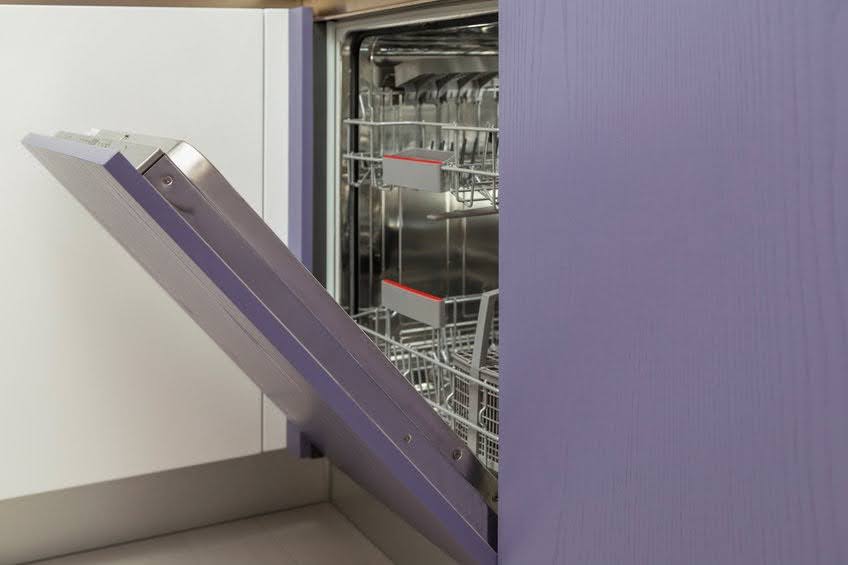
Dishwashers — A commercial dishwasher cycles a full rack in under two minutes. For any venue doing consistent covers, this is non-negotiable. Under-counter models suit smaller cafes; pass-through machines handle larger operations.
Coffee Equipment — If coffee is part of your revenue stream, invest properly. Bean-to-cup machines from professional-grade brands reduce barista dependency while maintaining consistency across every cup.
New, Refurbished or Leased?
Budget often pushes operators toward secondhand equipment. For low-risk items this can work. For critical kit — ovens, refrigeration, dishwashers — the risk of failure during service outweighs the upfront saving. Equipment leasing has become increasingly popular in the UK, allowing businesses to access current technology while spreading costs. It is particularly useful for start-ups managing tight cash flow.
Work With a Specialist, Not a Generalist
Buying commercial catering equipment from a specialist supplier gives you more than a product — it gives you installation support, commissioning, staff training, and a reliable contact when something needs attention. Suppliers operating as platinum dealers for major brands also offer better pricing than standard retail channels.
For UK operators looking for end-to-end support — from kitchen design through to equipment supply and installation — working with a dedicated commercial catering equipment specialist like Cater-ConnectUK ensures the right fit for your layout, menu, and budget.
Final Checklist
- Map your kitchen layout before confirming equipment sizes
- Check energy ratings — catering equipment is a major utility cost
- Confirm UK warranty terms and spare parts availability
- Ask about installation and staff training packages
- Consider leasing for high-value items
Choosing the right equipment from the start saves money, reduces stress, and sets your kitchen up to perform under pressure from day one.
READ ALSO: Restaurant Frying Oil: How to Choose the Best Oil for Commercial Kitchens

Superb, wat a blog itt is! Thiis weeb site provvides vauable informmation tto us, keepp itt up.
xnxx