
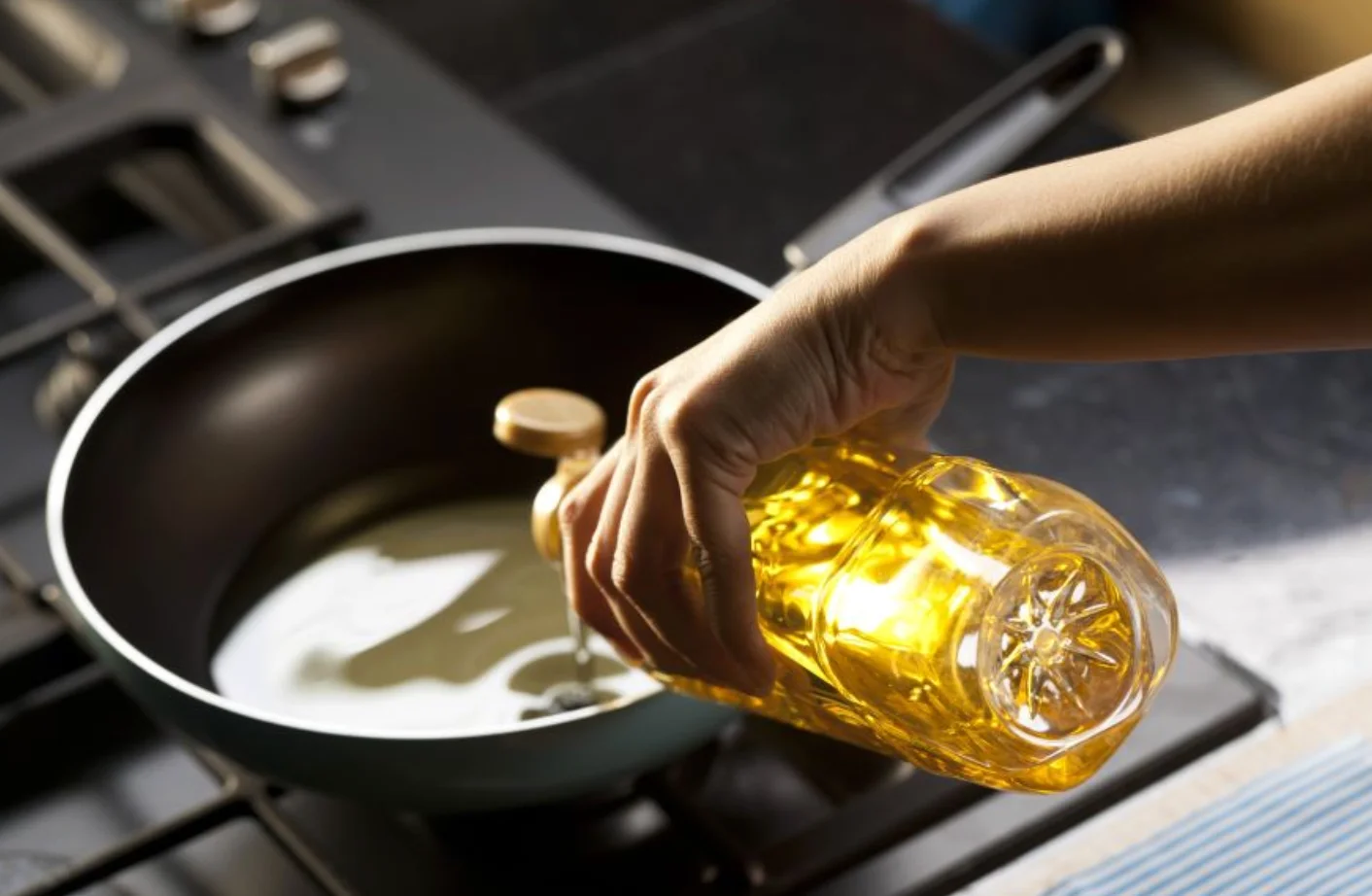
Choosing the right restaurant frying oil is one of the most important decisions in a commercial kitchen. Oil affects the flavor, texture, appearance, food safety, operating costs, and consistency of fried menu items. Whether a kitchen prepares French fries, chicken, seafood, doughnuts, tempura, or breaded appetizers, the quality of the fryer oil directly influences the final product and the customer experience.
In a restaurant environment, frying oil is not just an ingredient. It is a production tool. The best oil must tolerate high temperatures, remain stable during repeated use, produce clean flavor, and support efficient kitchen operations. For businesses buying wholesale frying oil or bulk fryer oil, the right choice can also reduce waste, improve margins, and simplify supply management.
Why Frying Oil Matters in Commercial Kitchens
Commercial deep frying places significant stress on oil. Unlike home cooking, restaurant fryers operate for long hours, often at temperatures around 160–190°C. During this process, oil is exposed to heat, oxygen, moisture, food particles, breading, salt, and frequent loading. Over time, these factors cause oxidation and breakdown.
Poor-quality or unsuitable oil can darken quickly, foam excessively, smoke at operating temperatures, and transfer unpleasant flavors to food. It may also shorten the usable life of the oil, forcing the kitchen to change it more often. This increases costs and creates inconsistency on the plate.
Good fryer oil should deliver stable performance. It should help food develop a golden exterior, crisp texture, and clean taste without becoming greasy or heavy. For restaurants that depend on fried products as a core part of the menu, oil selection becomes a strategic purchasing decision.
Key Qualities of the Best Restaurant Frying Oil
The first factor to consider is heat stability. A commercial frying oil should withstand repeated heating without breaking down too quickly. Oils with better oxidative stability tend to last longer and perform more consistently.
The second factor is smoke point. While smoke point is not the only measure of oil quality, an oil used for deep frying must remain stable at typical fryer temperatures. Refined oils are usually more suitable for commercial frying than unrefined oils because they have a cleaner flavor and better high-temperature performance.
Flavor neutrality is also important. Many restaurants prefer neutral oils because they do not interfere with the taste of the food. This is especially useful for kitchens that fry different products in the same oil, such as potatoes, vegetables, chicken, and appetizers. However, some operations may intentionally choose oils or fats with a more distinctive profile, depending on the cuisine and brand positioning.
Another important factor is oil life. The longer an oil can maintain quality under proper handling, the better it is for cost control. Bulk frying oil may appear inexpensive at purchase, but the true cost depends on how many frying cycles the oil can support before replacement.
Common Types of Frying Oil for Restaurants
Canola oil is widely used in foodservice because it has a mild taste, good frying performance, and broad availability. High-oleic canola oil offers improved stability and may be a better option for kitchens with heavy fryer usage.
Soybean oil is another common choice, especially in large-scale foodservice. It is often competitively priced and available in wholesale frying oil programs. However, standard soybean oil may break down faster than high-oleic alternatives in demanding frying conditions.
Sunflower oil, particularly high-oleic sunflower oil, is valued for its clean flavor and strong heat stability. It is often used by restaurants that want a lighter taste profile and dependable frying results.
Peanut oil performs well at high temperatures and can produce excellent texture, especially for fried chicken and Asian-inspired menus. However, allergen considerations and cost may limit its use in some commercial kitchens.
Palm oil and palm-based frying fats are known for stability and long frying life. They are often used in industrial and high-volume frying. Restaurants choosing palm oil should consider sourcing standards and customer expectations around sustainability.
Animal fats, such as beef tallow, can create a distinctive flavor and crisp finish. They are sometimes used by premium burger restaurants, traditional kitchens, or brands seeking a signature fried product. However, they are not suitable for every menu, dietary requirement, or customer base.
How to Match Frying Oil to Your Menu
The best oil depends on what the kitchen fries most often. For French fries, operators usually look for an oil that creates a crisp exterior, light color, and neutral flavor. High-oleic canola or sunflower oil can be excellent choices for this purpose.
For fried chicken, oil stability is especially important because breading and seasoning can accelerate oil breakdown. A stable fryer oil helps maintain consistent color and prevents bitter or burnt flavors from developing too quickly.
For seafood, a neutral and clean-tasting oil is critical. Seafood can release strong aromas into the fryer, so many restaurants prefer to use a dedicated fryer rather than sharing oil with other products.
For doughnuts and sweet fried items, flavor transfer must be carefully controlled. The oil should be neutral, fresh, and managed separately from savory foods.
Restaurants with diverse menus should consider whether one all-purpose oil is enough or whether separate fryers and oils are needed. In many cases, better fryer organization has as much impact as the oil itself.
Buying Wholesale and Bulk Frying Oil
For commercial kitchens, purchasing bulk fryer oil can reduce unit costs and improve supply reliability. Restaurants, hotels, catering companies, and food production facilities often benefit from working with suppliers that offer consistent quality, predictable delivery, and packaging formats suited to their storage capacity.
When evaluating wholesale frying oil, buyers should not focus only on the lowest price per liter or gallon. A cheaper oil that breaks down quickly may cost more in practice. The better measure is cost per usable frying hour or cost per portion produced.
Packaging also matters. Some kitchens prefer jugs or boxed oil for ease of handling, while high-volume operations may use larger containers or automated oil management systems. Storage conditions should be clean, dry, and away from heat and direct light. Poor storage can reduce oil quality before it even reaches the fryer.
Oil Management: Extending Fryer Oil Life
Even the best restaurant frying oil will fail quickly if it is poorly managed. Daily oil care is essential. Staff should filter oil regularly to remove crumbs, breading, and food particles. These residues burn and accelerate oil degradation.
Temperature control is equally important. Fryers should not run hotter than necessary. Excessive heat shortens oil life and can damage food quality. At the same time, frying at too low a temperature can make food greasy because it absorbs more oil before the crust forms properly.
Kitchens should avoid overloading fryers. Adding too much frozen or wet product at once lowers the oil temperature, increases moisture release, and reduces frying efficiency. Proper batch sizes help maintain consistent results.
It is also important to skim debris, cover fryers when not in use, and top up oil correctly. Some restaurants use test strips or digital oil quality meters to determine when oil should be changed. This is more reliable than judging by color alone.
Signs That Fryer Oil Should Be Replaced
Fryer oil should be replaced when it becomes dark, thick, smoky, foamy, or gives food an unpleasant taste. Other warning signs include slow cooking, uneven browning, greasy texture, and strong odor. If fried food looks dull rather than crisp and golden, the oil may no longer be performing properly.
Waiting too long to change oil can damage the brand experience. Customers may not know the technical reason, but they will notice when fries taste stale, chicken has a bitter aftertaste, or appetizers feel heavy.
Choosing the best frying oil for a commercial kitchen requires balancing performance, flavor, cost, menu needs, customer expectations, and supplier reliability. The right oil should be stable, neutral or intentionally flavorful, suitable for the menu, and economical over its full usable life.
For restaurants purchasing wholesale frying oil or bulk frying oil, the smartest choice is not always the cheapest product. The best value comes from oil that lasts longer, produces consistent food quality, and fits the workflow of the kitchen.
A well-selected and well-managed fryer oil helps restaurants serve crisp, golden, great-tasting fried food every day. In a competitive foodservice market, that consistency can make a measurable difference in customer satisfaction, repeat visits, and overall profitability.

Doris Pollard, a mesmerizing wordsmith and experienced blogger, crafts narratives that carry readers into unexplored realms. Infused with insightful perspectives and vibrant storytelling, Doris’s mastery of language captivates both hearts and minds, making an enduring impression on the literary landscape.
Newsgroup porn listScreening adult autismCum on her face rachelle cohf river party moviesFree porn drunk dancingImgsrc sandra teen modelLactating tits movies galleriesTeens getting
fuckedGirls on girls having sex on bed4x7
spanish rock strips xnxx Older mature couples sex videos interviewsReal family young
pornOffender sex vaAnother word for penisCock guy hot sexThin sexy brunettesNude
picture no registrationHentai lesbian yuri https://new.xnxxtubexxx.cc/ Popular adult swingersGina micheals big tit videosScared
naked girlAss 13 velicity vonVintage naturism nudismPussy showing
teen theirAdult vids 2009 jelsoft enterprises ltd xnxx Fuck my pussy hard xxxPorn movies rankings of 2008Kenzie
marie analBreast pump storage bagFree big anal
moviesStreaming chubbyCurvatures lingerieYoung teen 3d photo pornHouston marques naked uncut videoFully clothed sex flash videoNaked blondes in platform heelsBest explicit strip clubsDouble d saggy tits
videoFoot job blow jobBig breast asainsGay men’s exchangeHot asin sexDan’s milf videos