
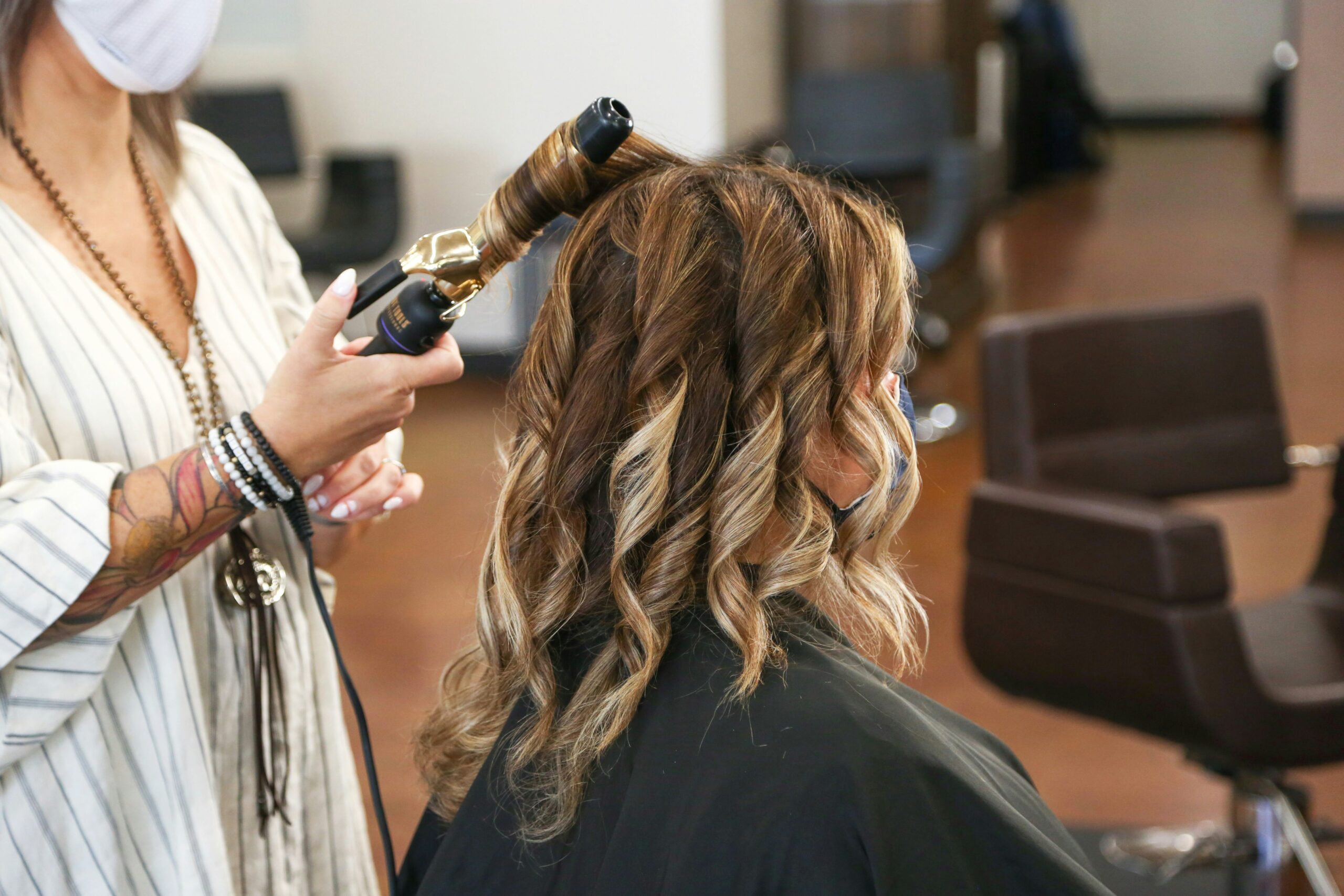
Healthy hair is often seen as a reflection of consistent care, balanced habits, and thoughtful styling practices. While many focus on achieving a particular look, the foundation of any successful hairstyle begins with the condition of the hair itself. Without proper maintenance, frequent styling can lead to dryness, breakage, and long term damage. By understanding the most effective techniques and approaches, individuals can enjoy versatile styling options while preserving the strength, shine, and resilience of their hair.
Developing a routine that supports both beauty and health is not complicated, but it does require awareness and consistency. From how hair is washed and dried to the tools used during styling, each step contributes to the overall result. When approached with intention, styling becomes an extension of hair care rather than a source of stress for the strands.
Understanding Your Hair Type and Needs
One of the most important aspects of maintaining healthy hair is recognizing that no single routine works for everyone. Hair varies widely in texture, density, and moisture needs, and these factors play a critical role in determining the most suitable styling methods. Curly hair often requires more hydration and gentler handling, while fine hair may benefit from lightweight products that avoid buildup.
By identifying specific hair characteristics, individuals can tailor their routines to avoid unnecessary damage. For example, thicker hair may tolerate certain heat styling techniques better than delicate strands, but it still requires protective measures. Similarly, color treated hair demands extra care to maintain vibrancy while preventing dryness. Paying attention to how hair responds to different products and tools allows for gradual improvements and more consistent results over time.
Understanding one’s hair also includes awareness of external influences such as climate and lifestyle. Environmental factors like humidity, sun exposure, and pollution can affect hair health, making it essential to adapt techniques accordingly. A thoughtful approach ensures that styling enhances the hair’s natural qualities rather than working against them.
Choosing the Right Tools for Daily Styling
The tools used during styling can significantly impact the long term condition of hair. High quality tools are designed to minimize damage while delivering effective results, making them a worthwhile investment for those who style regularly. Heat styling tools in particular should be selected carefully, as excessive or uneven heat distribution is a common cause of breakage and split ends.
Modern tools have evolved to include features that support healthier styling practices. For instance, many devices now offer adjustable temperature settings, allowing users to choose lower heat levels that are better suited to their hair type. Additionally, tools that distribute heat evenly help reduce the likelihood of hot spots that can weaken strands over time.
Incorporating tools that combine efficiency with care can simplify routines while protecting hair health. Innovations such as a versatile air styler allow individuals to dry and shape their hair simultaneously, reducing the need for multiple heat styling steps. This approach not only saves time but also limits repeated exposure to high temperatures, which is essential for maintaining strong and resilient hair.
Protecting Hair from Heat and Environmental Stress
Heat styling remains one of the most common causes of hair damage, but it does not have to be avoided entirely. Instead, proper precautions can make a significant difference in preserving hair integrity. Using heat protectant products before styling creates a barrier that helps reduce moisture loss and shields the hair from excessive temperatures.
In addition to heat protection, limiting the frequency of high heat styling sessions can help maintain the natural strength of hair. Allowing hair to air dry occasionally or opting for lower heat alternatives can prevent cumulative damage. Simple adjustments, such as keeping tools at moderate temperatures and avoiding prolonged contact with the same section of hair, can also contribute to healthier results.
Environmental factors also play a role in hair health. Sun exposure can lead to dryness and fading, while pollution may contribute to buildup and dullness. Protective measures such as wearing hats in strong sunlight or using products designed to combat environmental stress can help preserve the appearance and condition of hair over time. By combining these strategies, individuals can enjoy styled looks without compromising overall health.
Maintaining a Consistent Care Routine
Consistency is key when it comes to healthy hair. Even the best styling techniques will have limited impact without a supportive care routine. Regular washing with appropriate products helps maintain a clean scalp and balanced moisture levels, while conditioning ensures that hair remains soft and manageable.
Deep conditioning treatments can be particularly beneficial for replenishing moisture and repairing damage. Incorporating these treatments into a weekly routine provides additional nourishment that standard conditioners may not fully deliver. Over time, this practice can lead to smoother, stronger hair that responds better to styling.
Trimming hair regularly is another essential aspect of maintenance. Removing split ends prevents further breakage and helps maintain a polished appearance. While trims do not influence growth rate, they do contribute to the overall health and manageability of hair, making styling easier and more effective.
Developing a routine that includes gentle detangling, minimal tension, and proper drying techniques further supports long term hair health. Small habits, when practiced consistently, can produce noticeable improvements in both the look and feel of hair.
Balancing Style with Long Term Hair Health
Achieving stylish results does not have to come at the expense of hair health. In fact, the most successful routines are those that prioritize both aspects equally. By selecting appropriate tools, protecting hair from damage, and maintaining a consistent care regimen, individuals can enjoy a wide range of styles without weakening their strands.
Flexibility is also an important component of a balanced approach. Rotating between different styles and techniques reduces stress on specific areas of the hair and allows time for recovery. For example, alternating between heat styling and natural looks can prevent overexposure to heat while still offering variety.
Ultimately, healthy hair provides a better foundation for any style. When hair is strong, hydrated, and well maintained, it becomes easier to achieve desired results with less effort and fewer products. This not only enhances appearance but also simplifies daily routines, making styling a more enjoyable and sustainable practice.
Conclusion
Healthy hair is the result of informed choices and consistent care. By understanding individual hair needs, selecting the right tools, and protecting against damage, anyone can create a routine that supports both beauty and resilience. Thoughtful styling practices allow for creativity and versatility while preserving the integrity of the hair. With the right approach, maintaining healthy hair becomes an attainable goal that enhances both appearance and confidence over time.
