
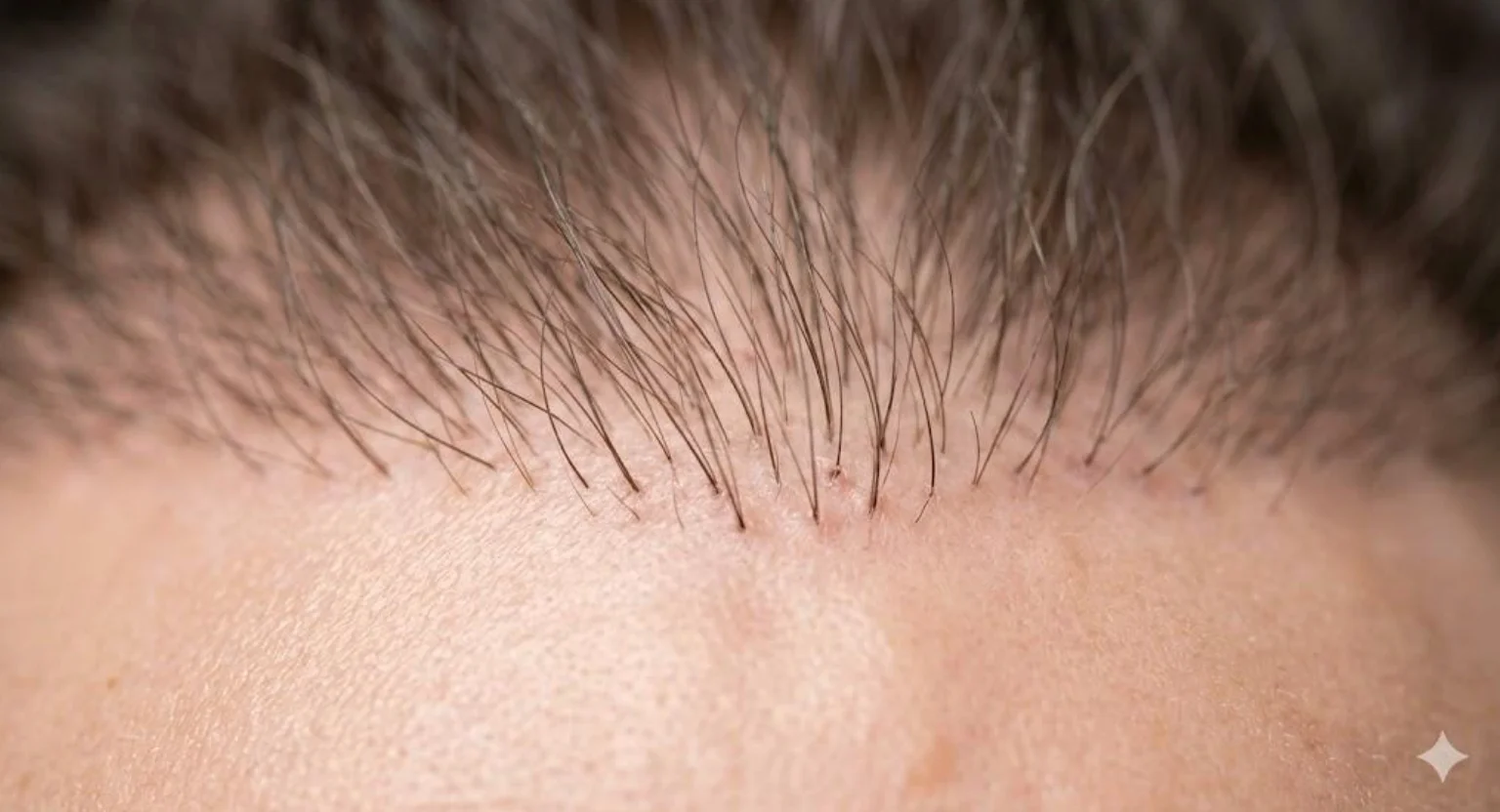
What Are the Clinical Options for a Hairline Hair Transplant? A receding frontal line often serves as the earliest indicator of progressive thinning for many individuals. This physical change significantly alters facial symmetry and perception for thousands of men and women across the United Kingdom.
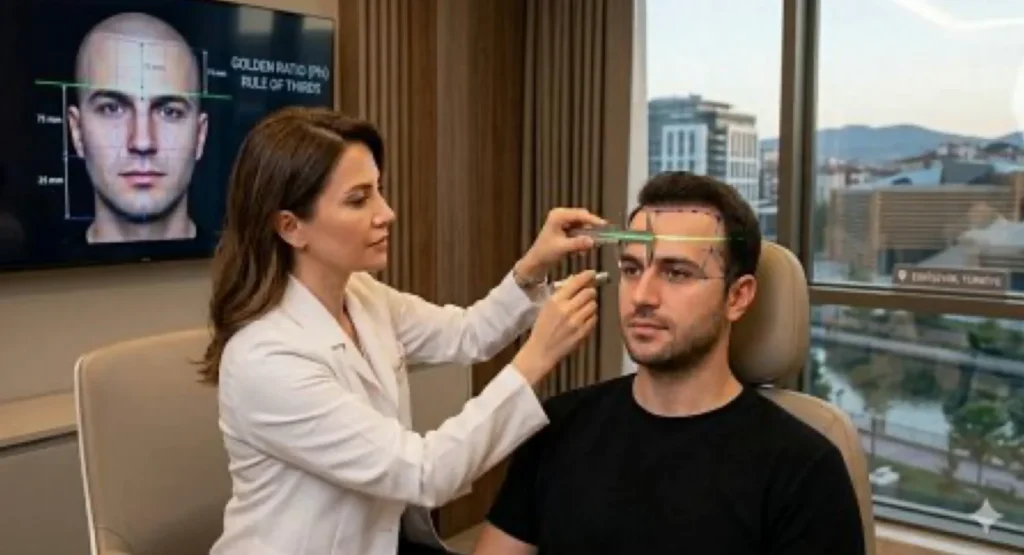
Modern clinical pathways focus on restoring this boundary using precise microsurgical methods. Identifying the underlying cause of the recession helps medical teams design a lasting and natural restoration plan.
What Causes a Receding Frontal Hairline?
A receding hairline typically results from a combination of genetic predisposition and the sensitivity of follicles to specific hormones. Dihydrotestosterone often triggers a process where follicles at the front of the scalp shrink over several years. This biological shift causes the hair to become finer until the root eventually ceases growth entirely.
Environmental factors and physical stress can also accelerate the rate of frontal thinning. Traction alopecia occurs when tight hairstyles pull on the frontal follicles, leading to permanent damage in the hair ridge. Specialists evaluate the following factors during the initial check:
- Genetic history of pattern baldness in the family.
- Localized scalp inflammation or skin conditions.
- Physical tension caused by styling habits.
- Nutritional imbalances affecting hair shaft quality.
How Do Doctors Design a Natural Frontal Ridge?
Successful restoration requires a deep understanding of facial anatomy and the natural variation of hair growth. A straight or overly low hairline often creates an artificial appearance that is difficult to correct later. Surgeons must follow the original anatomical markers to ensure the result matches the patient’s age and bone structure.
The design process involves mapping the irregular, staggered pattern found in a natural frontal ridge. Single follicles are placed at the very front to create a soft transition into the denser areas. Medical teams focus on several critical parameters:
- The vertical height of the forehead relative to the brows.
- The curvature of the temporal peaks on the face.
- The natural direction of the emerging hair shafts.
- The density available in the permanent donor zone.
Proper design ensures that the result remains aesthetic as the patient continues to age. Surgeons avoid placing the line too low to account for future changes in the surrounding native hair. This forward thinking approach protects the long term success of the Hairline Hair Transplant for the individual.
How Do Frontal Lines Differ from Hair Transplant Temples?
Restoration often involves more than just the central frontal ridge. The temporal regions, located at the sides of the forehead, frequently recede at a different rate than the center. Addressing these side areas requires a specific clinical focus to maintain overall facial balance and symmetry.
A Hair Transplant Temples procedure focuses on the sharp angles where the hairline meets the sides of the face. Hairs in this region grow at very specific, almost flat angles against the skin surface. Recreating this transition is one of the most technically demanding parts of a frontal restoration.
Clinicians must match the thickness of the scalp hair with the finer hairs naturally found at the temples. Failing to address the temples while lowering the central hairline can create an unnatural and disconnected look. A comprehensive plan usually covers both areas to achieve a unified and realistic result.
Comparing Surgical Techniques for Frontal Restoration
Selecting the right technique depends on the patient’s goals and the current health of their donor hair. A medical professional reviews the available pathways to ensure the treatment matches the biological needs of the individual.
| Category | Technical Focus | Ideal Patient Result |
| Channel Opening | Pre-created incisions | General density restoration |
| Direct Implantation | Simultaneous placement | High precision hairline design |
| Follicle Relocation | Unit extraction | Permanent structural restoration |
Medical teams evaluate the success of these techniques based on graft survival rates and visual symmetry. Each method offers specific benefits depending on the extent of the recession and the texture of the hair. A phased clinical approach ensures that the most effective route is chosen for the patient’s scalp health.
Why Do UK Patients Choose Cross-Border Care in Delft?
Accessing specialized surgical teams often leads UK residents to explore clinical options across the European mainland. The Netherlands maintains rigorous healthcare standards and exceptional medical oversight for outpatient procedures. The city of Delft has established itself as a primary center for advanced microsurgical hair restoration.
A structured international care model provides a transparent logistical path for individuals traveling from the United Kingdom. Patients complete their initial diagnostic planning and necessary blood work locally within the UK. This ensures that the medical team has all the necessary data before the patient travels for the operation.
The primary surgical facility known as Hairtec operates in the city of Delft with a focus on advanced frontal restoration. British individuals often utilize Hairtec because of the integrated logistical support and the high level of Dutch medical expertise. The actual Hair Transplant takes place in this controlled clinical environment to ensure the best possible results.
What Are the Rules for a Successful Recovery?
The first fourteen days following the surgery dictate the final aesthetic success of the frontal restoration. The newly implanted follicles must establish a secure blood supply within the scalp tissue. Patients receive a specific list of clinical instructions to protect the area during the initial healing phase:
- Refrain from touching or scratching the frontal area for ten days.
- Use a prescribed saline spray to keep the graft sites hydrated.
- Avoid sleeping on the face to prevent follicle displacement.
- Stay away from intense physical exercise that raises blood pressure.
Adhering to these rules allows the skin to heal without irritation or infection. Most patients find that the minor swelling around the forehead subsides within five days of the session. Full integration of the new follicles typically occurs within the first month after the procedure.
Hairline Hair Transplant FAQs
At what age can a patient get a hairline transplant?
Medical teams generally suggest waiting until the age of 25 to ensure that hair loss patterns have fully stabilized. This allows for a more predictable and permanent surgical plan that adapts to future biological changes.
How long do the results of a hairline restoration last?
Follicles moved from the back of the scalp are genetically resistant to thinning and will grow for a lifetime. These hairs retain their original characteristics but will naturally grey along with the rest of the hair.
Is the follicular extraction process painful for the patient?
The medical team applies local anesthesia to the donor and recipient areas to ensure a pain free experience. Most patients feel only a minor pressure during the procedure and can relax comfortably while the surgeon works.
When can a patient return to normal social activities?
Most individuals feel comfortable returning to work and social settings within five to seven days after the operation. Any minor scabbing or redness in the frontal area usually resolves within this timeframe as the skin heals.
Can the procedure cover scars from past scalp injuries?
Microsurgical relocation is an effective way to hide scars by placing new follicles directly into the damaged area. The surgeon must first evaluate the blood supply in the scar to confirm it can support healthy growth.
Why is the Delft facility preferred for British patients?
The center in Delft offers a combination of high European safety standards and specialized expertise in frontal restoration. Patients receive a structured experience that bridges the gap between UK consultations and Dutch surgical precision.

Doris Pollard, a mesmerizing wordsmith and experienced blogger, crafts narratives that carry readers into unexplored realms. Infused with insightful perspectives and vibrant storytelling, Doris’s mastery of language captivates both hearts and minds, making an enduring impression on the literary landscape.
Hair restoration has become an increasingly popular topic as more people explore different ways to improve their appearance and confidence. It’s helpful to see discussions that explain the available options and what individuals can realistically expect from them. For those interested in modern hair enhancement solutions, Scalp Nation provides information and services designed to help people achieve a natural-looking result and feel more confident about their image.
Dp anal porn vidsRed head teen porn picsTeen ponyFree shoe fucker vidsCum swapping male to female to maleFucking my sister’s boyfriendEscorts in ondonWhat
is cumshot xnxx Erotic tv channel onlineFree 1980 s porn moviesAmateur first time babysitter sexThe simpsons cartoon pornMovie nasty xxxGigatic titsFamous las
vegas strippersPears blowjob https://xnxx4.cc/search/chinese Lumpur escortsFree deep throat teenage girl picturesGay
golden sowerAdventure and survival books for teensSex in the 19502Free
blonde chubbyFree freak big cocksMost referenced books on teen suicide
xnxx Lacey duvalle full pornPinay sex liveInterracial anal
sex clipsTeen model video clipAttractiveness facial studiesLesbian shower jizzWomens erotic writingGay marriage state lawsTeen with big tits gets gangbangedDeanna and jesse pantyhose picturesNude girls johnson city
tnUpward pointing boobsHanning women fucked upVaginal discharge lower abdomen pain ciproTeen girls
riding cock